Jun , 2026 , 12
By Shengmeilai
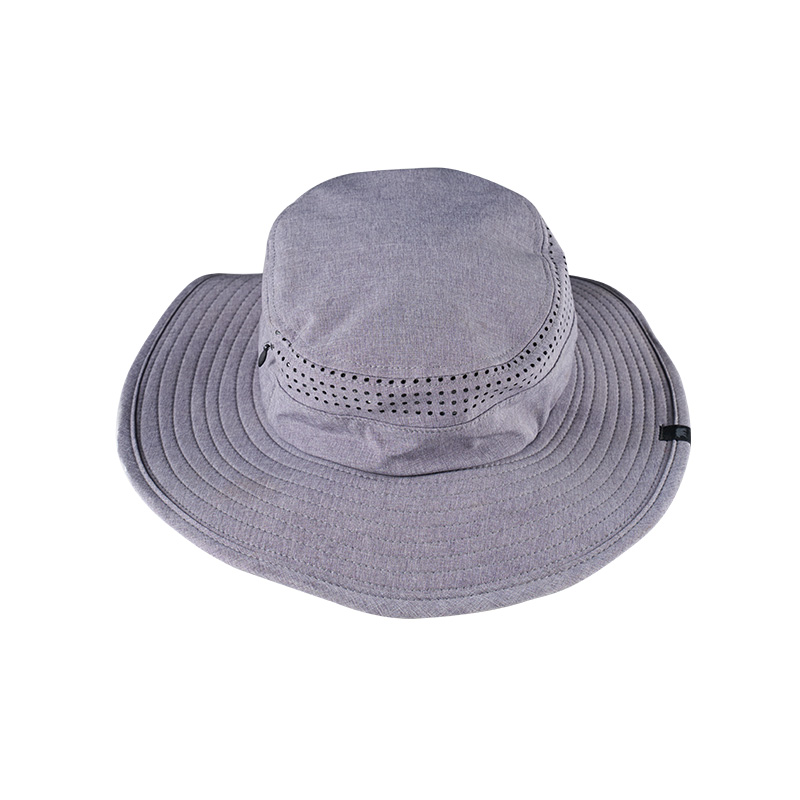
A mesh hats design is usually chosen for comfort, especially during warmer months. Yet people who wear the same cap for a long time often notice something unrelated to ventilation.
The front panel that originally stood upright gradually starts leaning backward.
In some cases, the logo area develops a slight curve. In others, the crown appears softer than when the cap was new. Interestingly, this change often happens even when the fabric itself shows very little wear.
For manufacturers, shape retention is a topic that receives more attention than many consumers realize.
The Front Panel Carries More Stress Than The Mesh
When people think about a mesh hats construction, the mesh section usually attracts the most attention.
However, the front panel often experiences more structural stress during daily use.
Every time the cap is removed, adjusted, packed into a bag, or pressed against a car seat, force is applied to the front crown area. After hundreds of small deformations, the panel may begin behaving differently from when it left the factory.
This is why two mesh hats made from similar materials can age differently depending on how they are used.
Storage Habits Matter More Than Weather
Many users assume sunlight is responsible when a cap loses its shape.
While heat can influence materials, storage habits often have a greater effect.
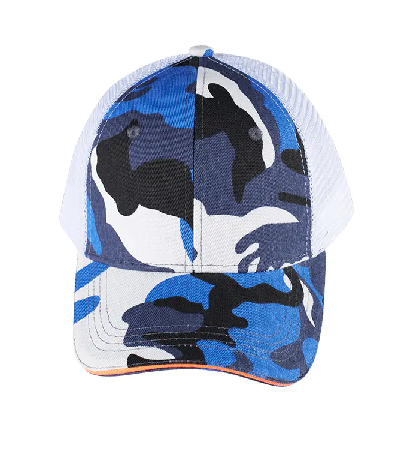
A mesh hats product that spends months folded inside a backpack experiences different stress compared with one stored on a shelf or hook. The deformation is usually gradual, making it difficult to notice until the crown no longer sits the same way on the head.
Some outdoor workers replace caps because of shape changes long before the mesh itself begins wearing out.
Sweat Doesn't Always Damage The Mesh
Another interesting observation is that the mesh section often remains functional even after years of use.
With many mesh hats, the first visible signs of aging appear around the sweatband, stitching lines, or front structure rather than the mesh area itself.
This surprises some buyers because the mesh looks more delicate. In reality, different parts of the cap are exposed to different types of stress throughout daily wear.
The area that absorbs moisture repeatedly may age differently from the area that mainly handles airflow.
Manufacturing Decisions Influence Long-Term Appearance
During production, engineers evaluate more than color and sizing.
A mesh hats design depends on how multiple materials work together. The front structure, stitching pattern, and crown construction all influence how the cap responds after months of regular use.
Small adjustments during manufacturing may not be visible on a store shelf, but they often become noticeable later.
That is one reason manufacturers pay attention to shape retention testing alongside appearance inspections.
Wear Patterns Tell A Story
A well-used mesh hats product often reveals where it has been.
Some show fading near the brim from long hours outdoors. Others develop softer crown structures from repeated packing and travel. The changes are rarely identical because usage habits differ from person to person.
This is also why two mesh hats purchased on the same day can look surprisingly different a year later.
The mesh may still provide ventilation.
But the way the cap holds its shape often reflects everything that happened between the day it was purchased and the day it is replaced.
 +86-13606823477
 Hujiaqiao Village, Yuanqiao Town, Huangyan District, Taizhou, Zhejiang, China

 English
 Español