Jun , 2026 , 05
By Shengmeilai
A new solid baseball cap usually keeps a clean front profile and balanced curve straight out of the box.
After several months of wear, however, some caps begin looking noticeably softer around the crown. The brim may bend unevenly, the front panel starts collapsing slightly, or the entire cap loses the structured appearance it originally had.
Many people assume this only happens because of cheap materials.
Inside cap manufacturing, though, shape retention depends just as much on daily handling, moisture exposure, and storage habits as on the fabric itself.
Actually, some caps begin deforming long before the owner notices visible changes from the outside.
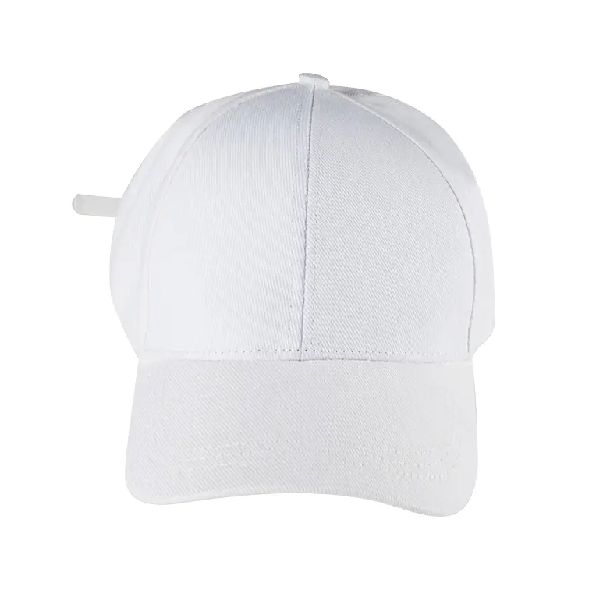
One reason a solid baseball cap loses stiffness is repeated moisture exposure.
Sweat, humidity, and occasional rain gradually affect the internal support materials hidden beneath the outer fabric. Even when the cap dries normally afterward, the reinforcing layers inside the front panel may soften slightly over time.
This becomes more noticeable during:
Actually, the outer fabric may still look completely normal while the internal structure already begins weakening underneath.
The front crown area of a solid baseball cap experiences more stress than many people realize.
Every time the cap is removed, folded into a bag, or pressed against a seat or wall, small amounts of pressure transfer directly into the front support structure. Repeated compression gradually changes how the material holds its original angle.
This often appears first as:
Actually, some caps lose shape mainly because they spend too much time compressed inside backpacks or car interiors.
The brim of a solid baseball cap usually contains a shaped insert designed to maintain curvature and stiffness.
High temperatures slowly affect this structure, especially if the cap remains inside parked vehicles or near direct sunlight for extended periods. Once the insert begins warping slightly, the brim may no longer recover its original curve evenly.
This becomes common during:
Actually, uneven brim curves often develop gradually instead of bending suddenly all at once.
A solid baseball cap collects sweat, oil, and dust easily, so many people clean it more aggressively than necessary.
Machine washing and twisting the fabric during drying place heavy stress on both the stitching and internal reinforcement layers. Structured caps especially may deform when saturated with water and rotated repeatedly.
Experienced cap manufacturers usually recommend gentler cleaning methods because once the crown structure collapses fully, restoring the original profile becomes difficult.
Actually, many shape problems blamed on poor manufacturing start after improper cleaning cycles.
How a solid baseball cap sits during storage changes how pressure distributes across the crown.
Stacking heavy objects on top of the cap or hanging it unevenly for long periods may slowly distort the panel alignment. Structured caps generally hold shape better when supported naturally instead of squeezed flat.
This is especially important for caps with:
Actually, long-term storage pressure sometimes affects symmetry more than regular daily wear itself.
Over time, the fabric of a solid baseball cap gradually responds to repeated stretching, sweat absorption, and environmental exposure.
Cotton fibers, blended materials, and stitching tension all age slightly differently. As the cap adapts to the wearer’s head shape, certain areas may loosen faster than others.
This can eventually lead to:
Actually, some older caps feel more comfortable precisely because their structure has already softened significantly over years of wear.
To most people, a solid baseball cap seems simple because the design itself looks lightweight and casual.
Inside cap production, however, maintaining that clean structured appearance depends on hidden reinforcement layers, balanced panel tension, brim stability, and careful material handling throughout the cap’s lifespan.
The difficult part is not shaping the cap during manufacturing.
It is keeping the crown and brim stable after months of sweat, pressure, heat, storage, and repeated daily use in real conditions.
 +86-13606823477
 Hujiaqiao Village, Yuanqiao Town, Huangyan District, Taizhou, Zhejiang, China

 English
 Español