Jun , 2026 , 19
By Shengmeilai
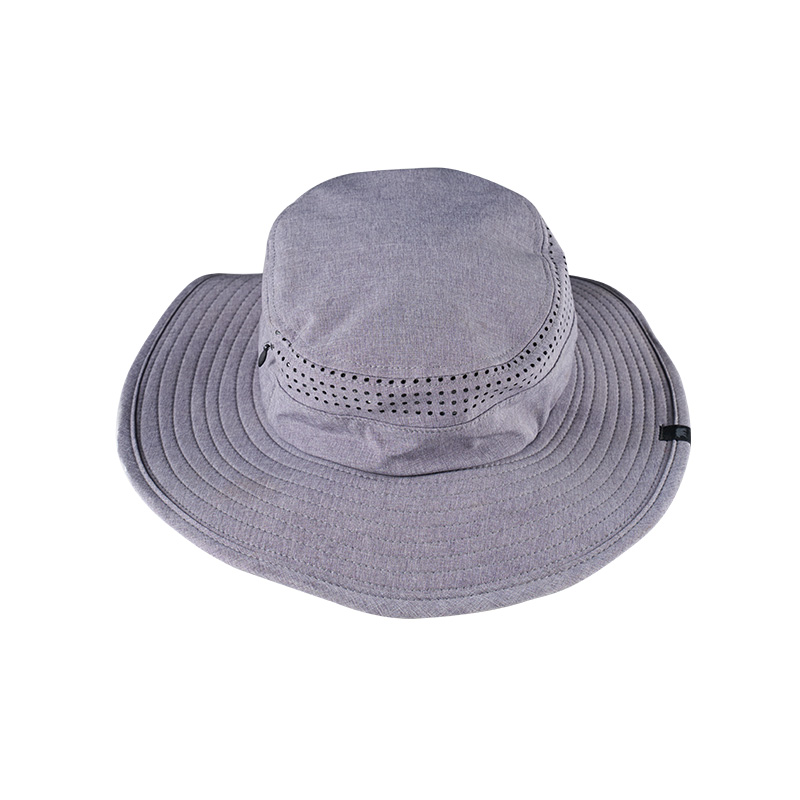
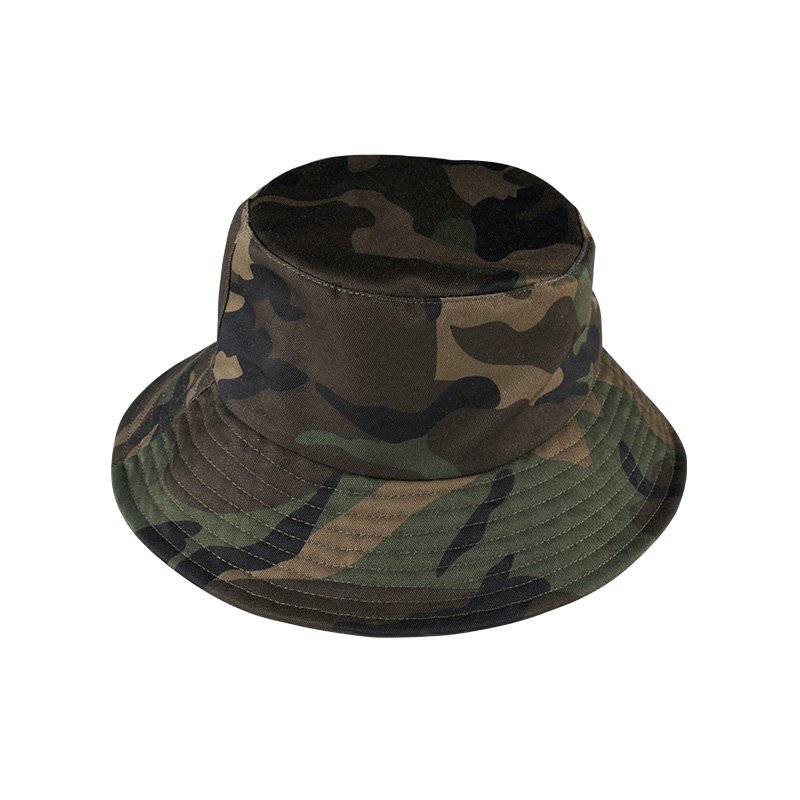
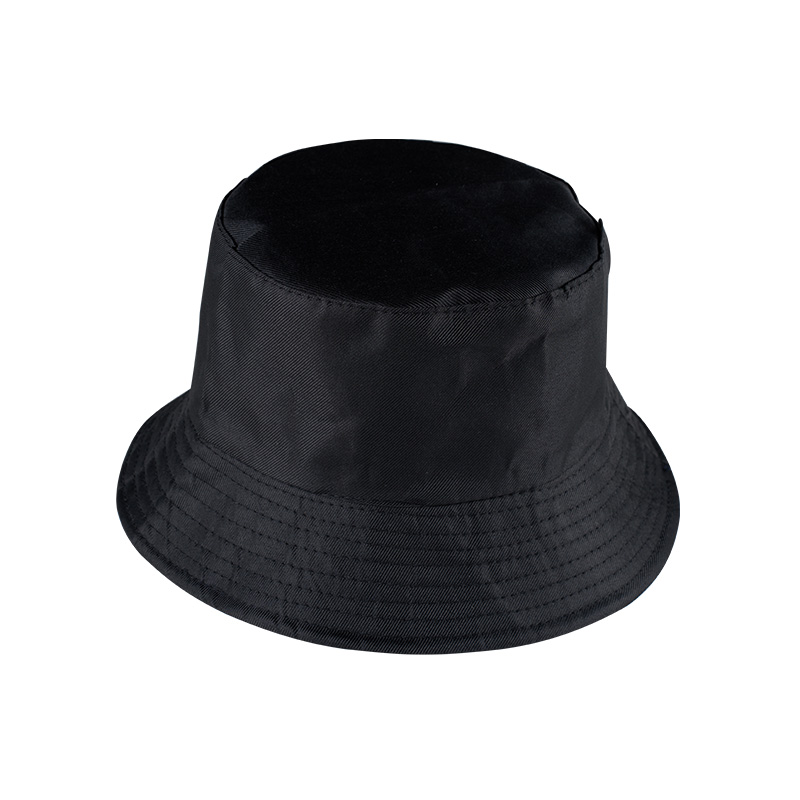
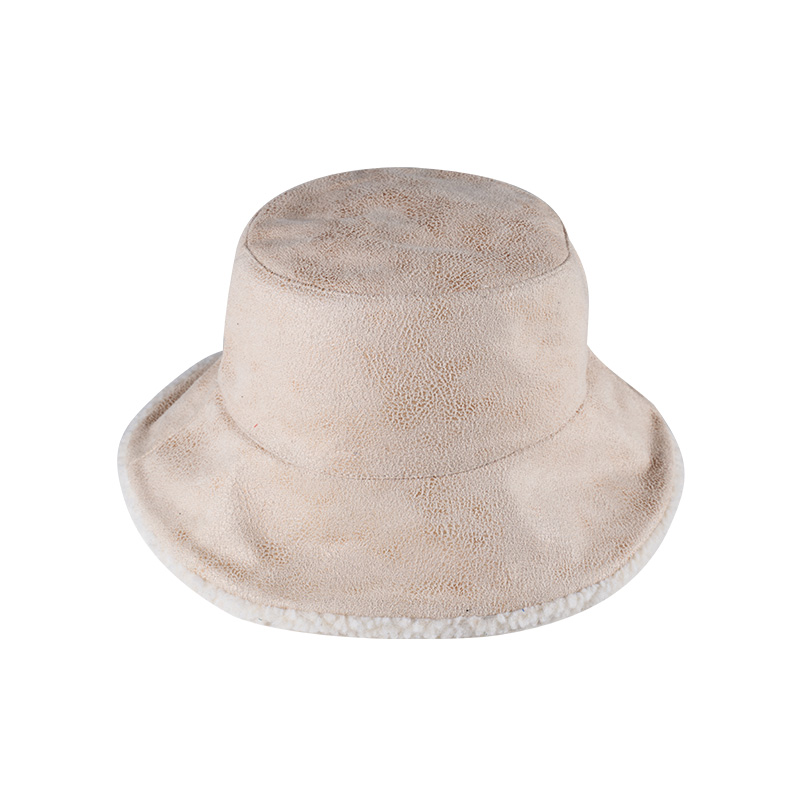
A bucket hats style often looks simple compared with structured caps, which is exactly why small changes become easy to notice over time.
Many people have experienced the same situation. A new hat sits evenly around the head, but after months of wear, one side of the brim begins to curve differently from the other. Sometimes the front edge folds more easily. Sometimes one section appears flatter even though the fabric remains in good condition.
Interestingly, these changes are not always caused by manufacturing defects. In many cases, daily habits play a larger role than people realize.
The Way A Hat Is Removed Matters
Most wearers remove a bucket hats product using the same hand every time.
It seems insignificant, but repeated pulling from one area can gradually influence how the brim behaves. Over hundreds of wear cycles, certain sections experience more stress than others.
This effect becomes easier to spot on soft-brim designs because the material is intended to remain flexible. The hat continues functioning normally, but the brim may begin showing subtle differences from one side to another.
For manufacturers, understanding these user habits helps explain why wear patterns often vary between customers using the same product.
Travel Can Change The Shape
Unlike structured caps, a bucket hats design is frequently folded during storage.
People place them in backpacks, luggage, tote bags, or jacket pockets. While this portability is one reason for their popularity, repeated folding can influence the way the brim settles over time.
Some travelers notice that the same fold line appears repeatedly after unpacking. Eventually, that area may recover differently from surrounding sections.
The result is not necessarily damage. It is simply the material adapting to the way it has been stored.
Moisture Often Affects Shape More Than Color
When discussing hat maintenance, many people focus on fading.
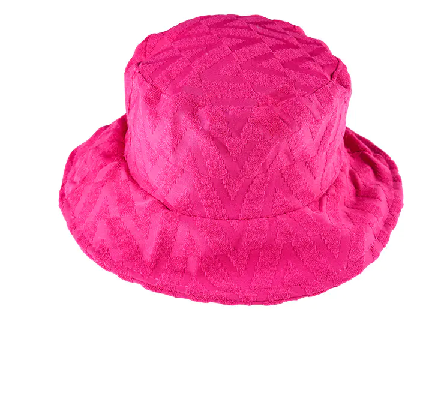
However, with a bucket hats product, moisture exposure can sometimes have a greater influence on long-term appearance than color changes.
Sweat, humidity, light rain, and repeated drying cycles all affect how fabric behaves. Different areas of the brim may dry at slightly different speeds depending on airflow and storage conditions.
Over time, these small variations can contribute to the uneven brim shapes that wearers occasionally notice.
Actually, shape changes often appear before significant fading becomes visible.
The Brim Tells The Story Of Use
One interesting thing about a bucket hats design is that the brim often reflects how the hat has been worn.
A person who frequently pushes the brim upward creates a different wear pattern from someone who leaves it untouched. Outdoor workers, hikers, anglers, and travelers may all develop distinct shape characteristics despite using similar products.
This is why two bucket hats purchased from the same production batch can look surprisingly different after a year of use.
The differences often reveal more about user habits than manufacturing variations.
Small Changes Are Part Of Everyday Wear
People often expect hats to age through fading or fabric wear.
With bucket hats, gradual brim changes are sometimes among the first visible signs of regular use. Storage habits, handling methods, moisture exposure, and daily routines all contribute to how the hat develops over time.
The fabric may remain durable and comfortable for years.
Yet the brim quietly records the history of how the hat has been worn, folded, packed, and used in everyday life.
 +86-13606823477
 Hujiaqiao Village, Yuanqiao Town, Huangyan District, Taizhou, Zhejiang, China

 English
 Español