Jul , 2026 , 24
By Shengmeilai
Fabric sourcing behind a denim mesh hat involves two entirely separate supply chains that rarely overlap, since denim fabric production and technical mesh fabric production come from different manufacturing traditions entirely, each with its own regional strengths and quality benchmarks.
Denim panels used in a denim mesh hat typically come from mills specializing in cotton twill weaving, where fabric weight and wash treatment get selected specifically for headwear rather than apparel use. Which weight range suits hat panels best? Lighter denim weights, generally lower than what standard jeans production uses, tend to perform better on hat front panels, since heavier denim can feel stiff and bulky once shaped into a curved panel and sewn against a foam or buckram structure underneath.
Wash treatment applied to denim before it reaches hat production affects both appearance and hand feel. A stonewashed denim panel carries a softer texture and faded appearance that many buyers associate with a worn-in, casual aesthetic, while raw or selvedge denim retains a stiffer structure and darker indigo tone that appeals to a different segment of the headwear market. Factories sourcing denim for hat panels typically specify wash treatment at the fabric mill stage, before the material ever reaches cut-and-sew production, since applying wash treatment after a hat is fully assembled introduces shrinkage risk across the mesh and structural components that denim alone would not experience.
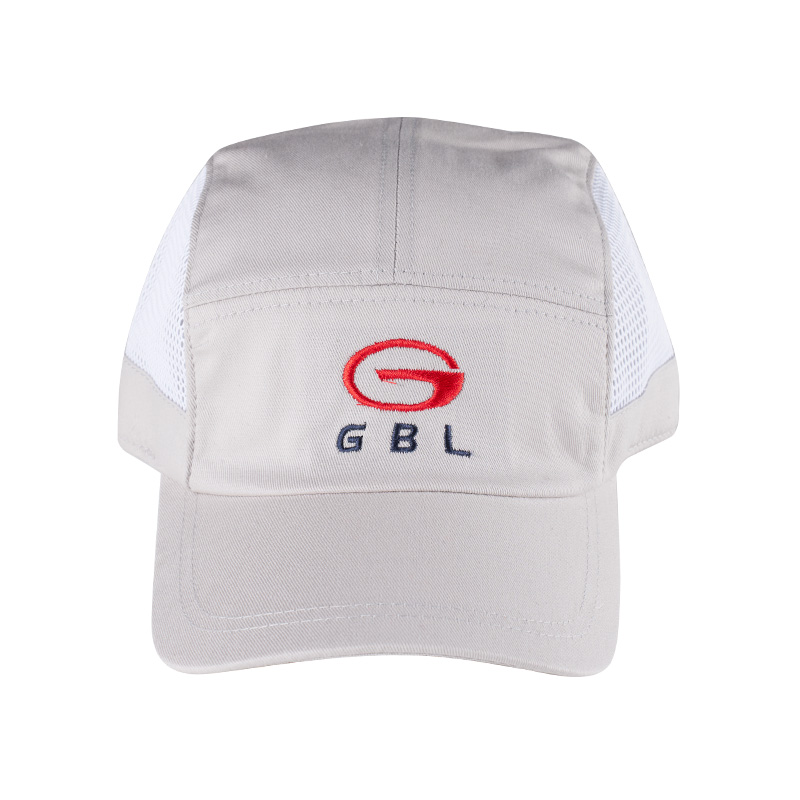
Mesh panels, by contrast, come from technical textile mills rather than denim weavers, since mesh construction relies on knitting or specialized weaving techniques entirely separate from twill denim production. A denim mesh hat combining these two fabric types requires factories to coordinate between two distinct supplier relationships, matching mesh panel color and weight to whatever denim wash and weight have been selected for the front panel. Does color matching create sourcing challenges between these two supply chains? Matching a faded or stonewashed denim tone to an appropriately toned mesh panel sometimes requires custom dye runs on the mesh side, since standard mesh color charts do not always align precisely with the varied wash tones common across denim fabric batches.
Where do these two fabric categories typically get produced within a broader regional supply network? Denim weaving mills often cluster in regions with established cotton textile industries, while technical mesh fabric tends to come from manufacturing zones specializing in synthetic fiber knitting and weaving, which are not always located near the same denim-producing regions. Factories assembling a denim mesh hat frequently source these two fabric types from different regions entirely, coordinating shipment timing so both materials arrive at the cut-and-sew facility close enough together to avoid production delays on either component.
Recycled denim has gained traction as an alternative sourcing option, particularly for brands emphasizing sustainability in their headwear lines. A denim mesh hat using recycled or upcycled denim panels typically sources this material from textile recyclers who process post-consumer denim waste into a usable fabric blend, though this recycled material sometimes carries more variation in color consistency than virgin denim, since the source material comes from a mixed batch of original denim garments rather than a single controlled dye lot. Which factor determines whether a factory adopts recycled denim for a given production run? Buyer specification usually drives this decision directly, since recycled denim carries a sustainability positioning that appeals to specific retail segments, even though it introduces slightly more color matching complexity when paired against a consistently dyed mesh panel.
Before denim and mesh components reach the sewing floor, quality teams typically verify both fabric types against separate specification sheets, since denim shrinkage rates and mesh stretch properties behave differently under the same testing conditions. Which test catches the most sourcing-related defects before assembly begins? Pre-shrinkage testing on denim panels catches batches that would distort a finished hat's shape after the first wash, a defect that becomes far more costly to address once a denim mesh hat has already been fully assembled and packaged for shipment.
 +86-13606823477
 Hujiaqiao Village, Yuanqiao Town, Huangyan District, Taizhou, Zhejiang, China

 English
 Español