Sep , 2026 , 11
By Shengmeilai
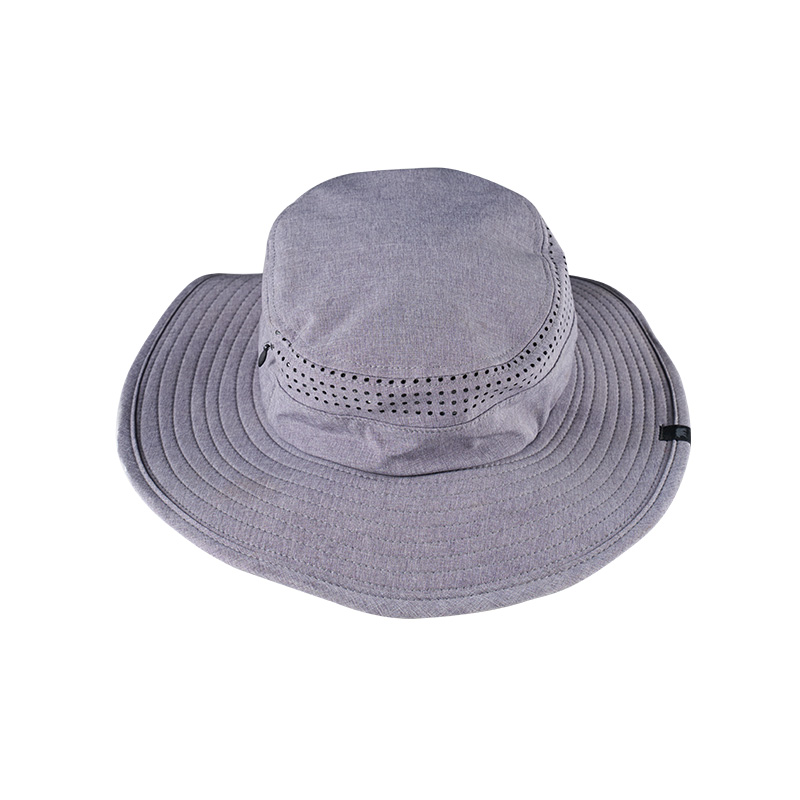
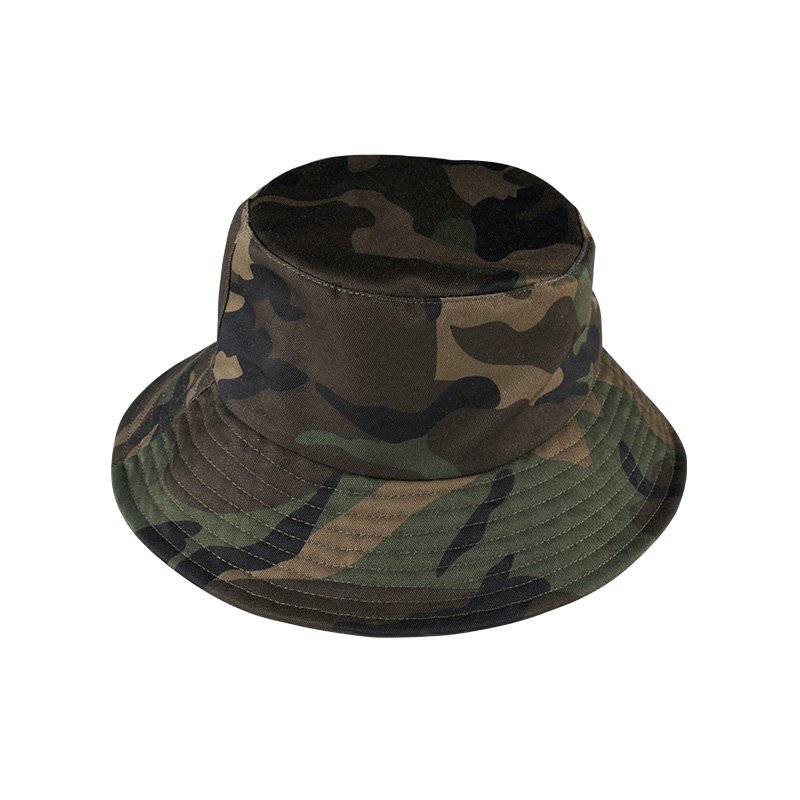
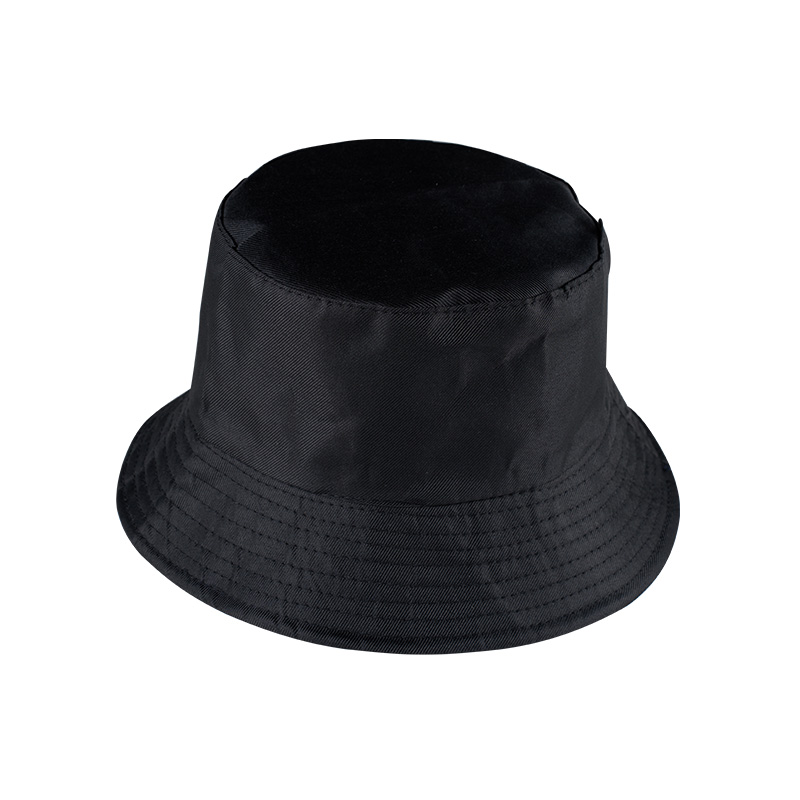
Cold-weather headwear buyers sourcing a Warm Bucket Hat for the coming season run into more material variety than the category name suggests. Wool blends, faux fur, plush linings, and brushed flannel all show up under the same general label, and each construction changes how a Warm Bucket Hat feels, wears, and performs once it leaves a sample table and enters daily use across a winter selling season.
Brushed flannel fabric traps warmth through surface texture rather than density or bulk, which gives a Warm Bucket Hat built this way a noticeably different hand-feel compared to a wool-blend or plush-lined equivalent. Product developers working with flannel typically aim for a relaxed, unstructured fit, since the fabric's natural give allows for comfortable extended wear without the stiffness that heavier winter materials can introduce. This lighter construction tends to suit buyers targeting a broader temperature range rather than the coldest end of the winter market specifically.
A wool-blend Warm Bucket Hat insulates primarily through fiber density, and the finished feel depends heavily on how tightly that blend is woven or felted during production. Wool tends to hold structure more firmly than flannel, which affects both how the hat sits on the head and how additional details like tassels or trim get attached during finishing. Buyers comparing wool-blend options across suppliers can look at blend ratio and fabric weight together, since two hats marketed as similar wool percentages can still differ in how warm or structured they feel once assembled.
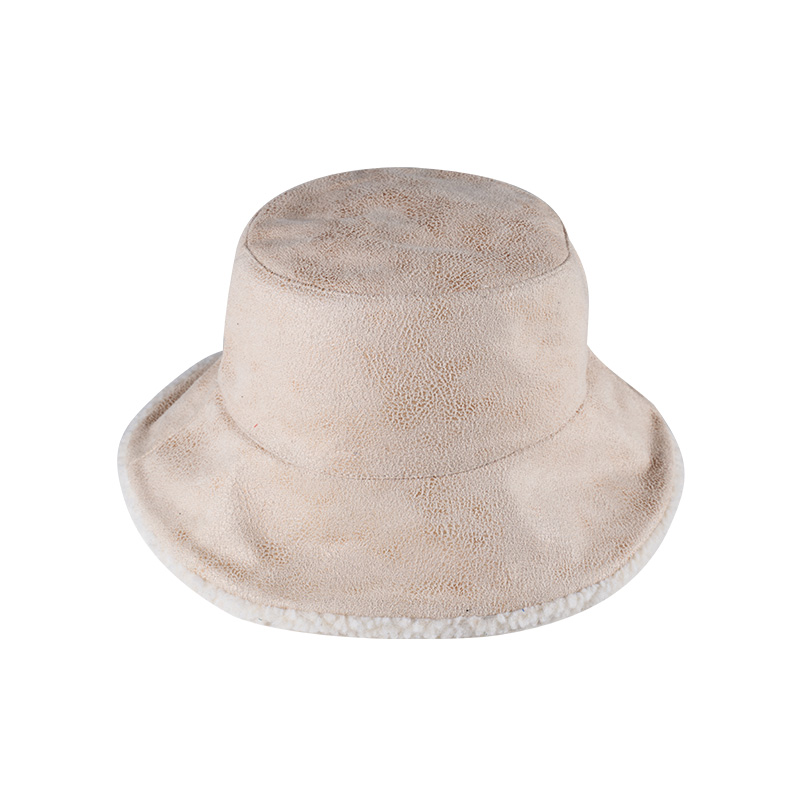
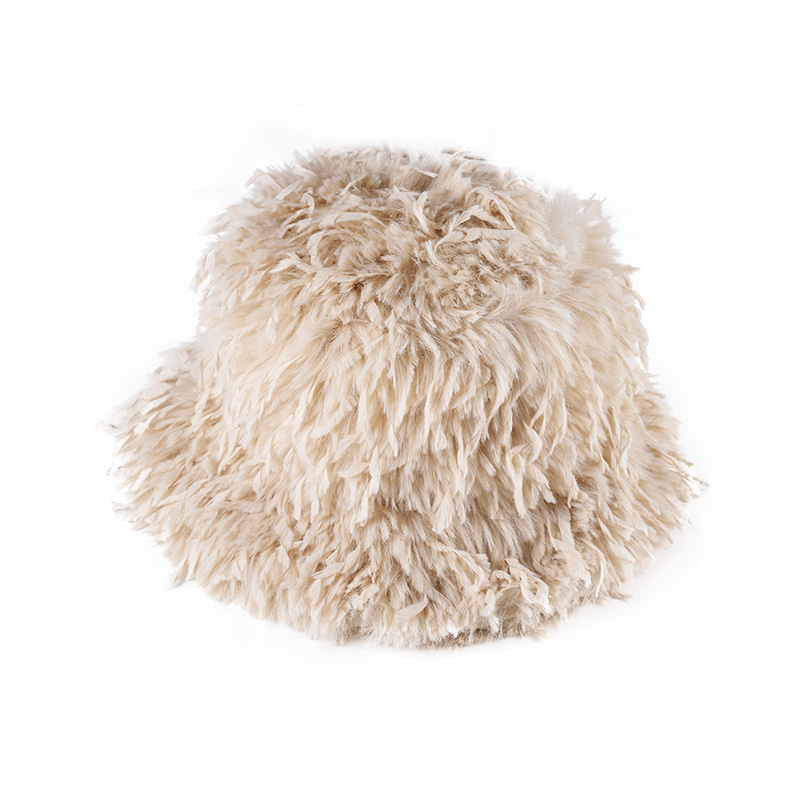
Faux fur and plush-lined bucket hats generally position toward a more visually distinctive segment of the winter headwear market, where texture and appearance carry as much weight as thermal performance. A faux fur bucket hat built with a plush interior lining can add warmth without the structural rigidity that wool sometimes introduces, which product developers often use to create a softer overall silhouette. Retailers building an assortment across price points may pair this style with simpler flannel or cotton options to cover both a premium, statement-piece segment and a more everyday, versatile one.
Care requirements vary meaningfully across these material choices, and that difference shows up in how a flannel bucket hat gets positioned compared to a wool or fur equivalent. Flannel construction is often finished to be machine washable, which supports a practical, everyday-use angle in retail marketing, while wool blends and faux fur pieces more commonly call for gentler, hand-care instructions. Buyers developing product descriptions or care labeling for private-label lines can factor this difference into how they frame a given style, since a washable option and a hand-care-only option can appeal to different customer priorities even within the same general hat category.
Some winter-positioned Warm Bucket Hat builds, particularly lighter flannel constructions, carry enough breathability to remain wearable into early spring, which gives distributors a way to extend a product's retail window beyond the coldest months. A wool blend bucket hat with heavier insulation tends to stay more firmly positioned within a shorter cold-weather sales period, since its warmth characteristics are less suited to milder transitional weather. Retailers planning seasonal buying calendars can weigh this crossover potential when deciding how much of a winter headwear order to allocate toward lighter versus heavier constructions.
A winter headwear supplier working across wool, fur, and flannel builds within the same bucket hat category gives buyers room to assemble a varied assortment rather than committing to a single construction type for an entire seasonal order. Product developers considering a new Warm Bucket Hat style typically start by identifying which segment of the winter market a given material serves well, since flannel, wool, and fur each carry distinct expectations around warmth, structure, and price positioning. That upfront alignment between material choice and target customer tends to matter more for how a style performs at retail than a single construction detail considered on its own.
 +86-13606823477
 Hujiaqiao Village, Yuanqiao Town, Huangyan District, Taizhou, Zhejiang, China

 English
 Español