Aug , 2026 , 28
By Shengmeilai
A tassel that hangs loose and even on a sample piece can end up bunched or unevenly spaced once a factory scales production across several thousand units, and this kind of finishing inconsistency is exactly what separates a well-run bucket hat program from one that generates returns. A thick warm tassel bucket hat depends on more than a warm fabric choice to succeed at retail; the tassel attachment, the wool blend density, and the brim structure all have to hold up consistently across a full production batch, not just on the piece a buyer approved before placing the order. Buyers evaluating a new supplier for this category should ask to see production-run samples pulled at random, not only the polished pre-shipment sample sent for final approval.
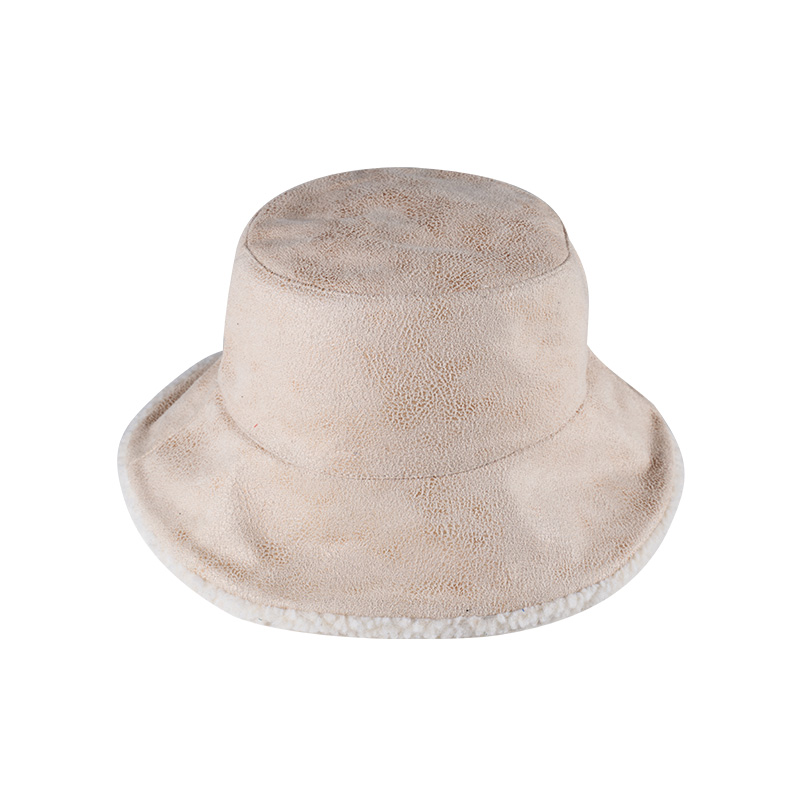
A thick warm tassel bucket hat relies on a wool blend that provides real insulation without becoming too heavy or stiff for comfortable all-day wear, and getting this balance right depends on the ratio of wool to synthetic fiber used in the outer fabric. A blend leaning too heavily toward synthetic fiber saves cost but sacrifices the warmth and hand-feel buyers associate with a premium wool product, while a blend too close to pure wool can add weight and cost without a proportional gain in warmth. Buyers should request the exact fiber ratio used in the outer shell rather than accepting a general "wool blend" description on a spec sheet.
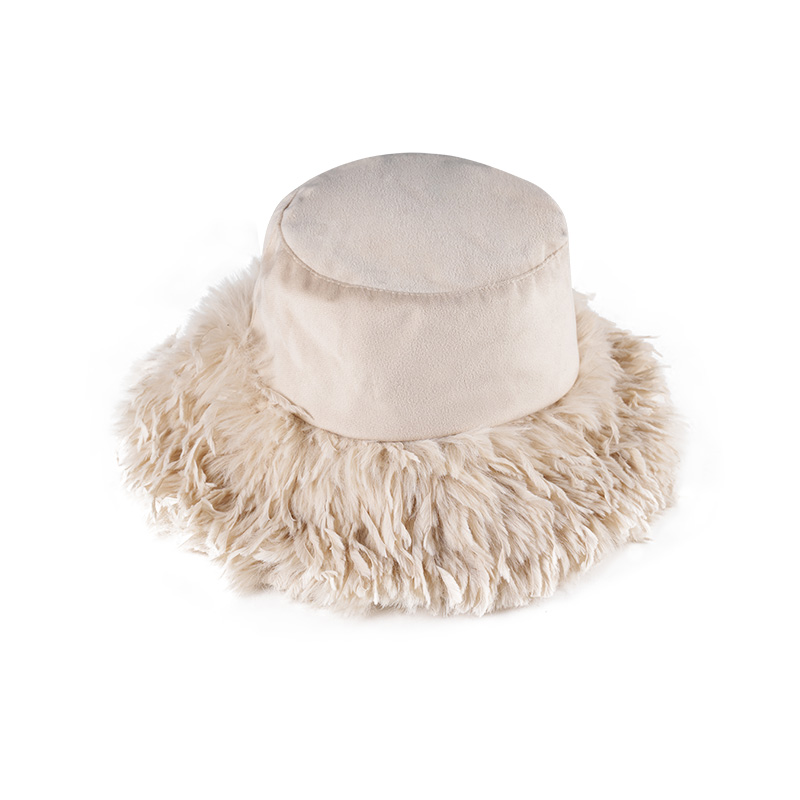
A wool blend bucket hat needs a lining that manages moisture and adds comfort without compromising the structure the wool blend outer fabric provides, since a mismatched lining can make an otherwise well-made thick warm tassel bucket hat feel uncomfortable during extended wear despite looking correct in a product photo. Silky synthetic linings feel comfortable against skin and slide on easily, while cotton linings breathe better but can wear faster with repeated handling. Buyers sourcing for colder climates should confirm the lining choice supports the same seasonal use case as the outer wool blend, rather than assuming any lining works equally well.
Tassel trim attachment is one of the more overlooked quality control checkpoints on a thick warm tassel bucket hat, since a tassel stitched with insufficient reinforcement loosens or detaches after repeated handling, storage, and shipping, well before the fabric itself shows any wear. Factories producing tassel-trimmed headwear at scale should reinforce the attachment point with a secure stitch pattern rather than relying on a single pass of thread that looks fine on a sample but fails under the vibration and compression of bulk packing and transit. Buyers should specifically ask a supplier how tassel attachment is reinforced and whether pull-strength testing is part of the standard quality control process.
A thick warm tassel bucket hat holds its classic silhouette through a combination of interfacing inside the brim and consistent stitching around the crown, and inconsistent interfacing across a production batch produces hats where some units hold their shape crisply while others droop noticeably after minimal handling. Buyers inspecting a bulk shipment should check brim structure across multiple units pulled randomly from different cartons, rather than relying solely on the pre-shipment sample, since brim stiffness can vary more across a large batch than buyers typically expect. This kind of spot-checking takes little extra time during a quality inspection and catches a defect pattern that a single-sample review would miss entirely.
Buyers building a retail or private-label program around a thick warm tassel bucket hat often need custom color combinations, adjusted tassel length, or a modified brim width to match a specific seasonal collection, and a factory that incorporates these adjustments into its standard tooling and production sequence tends to deliver more consistent results than one treating each request as a one-off modification. Certification covering textile safety and restricted substance testing relevant to the destination market should be confirmed before committing to volume on a thick warm tassel bucket hat order, since this documentation protects a wholesale buyer during import review and gives the buyer's own retail customers confidence in the finished product.
 +86-13606823477
 Hujiaqiao Village, Yuanqiao Town, Huangyan District, Taizhou, Zhejiang, China

 English
 Español