Oct , 2026 , 23
By Shengmeilai
Multicolor tweed brings a distinctive texture to vintage headwear, but it also creates specific challenges during cap production. Unlike plain fabric, tweed may contain several colors, uneven yarn patterns, and visible woven details. For manufacturers producing Vintage Fitted Baseball Caps, keeping these details consistent across panels is an important part of achieving a balanced appearance.
The production process begins with selecting tweed fabric that suits the intended cap style. Color combinations, yarn thickness, fabric weight, and surface texture all influence the finished appearance. A fabric with a dense weave may create a more structured look, while a softer material can produce a more relaxed profile.
For Vintage Fitted Caps, fabric selection also affects how clearly the woven pattern appears after cutting and sewing. Manufacturers need to check whether the material maintains a reasonably consistent texture across its usable width. Significant variations can become more noticeable when several panels are joined together.

A baseball cap crown is assembled from multiple fabric panels. When the material has a multicolor tweed pattern, the cutting layout can influence how the colors and textures appear across the finished crown.
During cutting, operators need to consider both the panel shape and the direction of the woven pattern. If adjacent pieces are cut without checking their visual relationship, the finished cap may show abrupt changes in color distribution or texture at the seams.
This is particularly relevant to Vintage Fitted Baseball Caps, where the crown shape and fabric surface work together to establish the overall style. Pattern alignment does not always require every panel to look identical, but the finished arrangement should appear intentional rather than random.
After cutting, the panels are joined to form the crown. Seam allowance, stitching accuracy, and panel positioning affect how evenly the crown comes together. With textured fabric, bulky intersections or inconsistent stitching can interrupt the visual flow of the tweed.
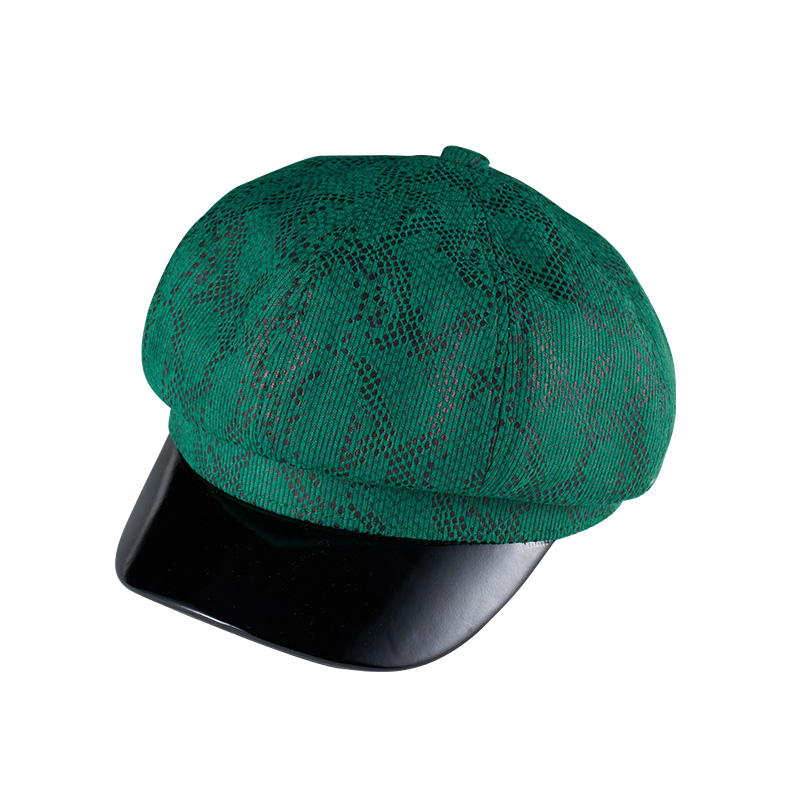
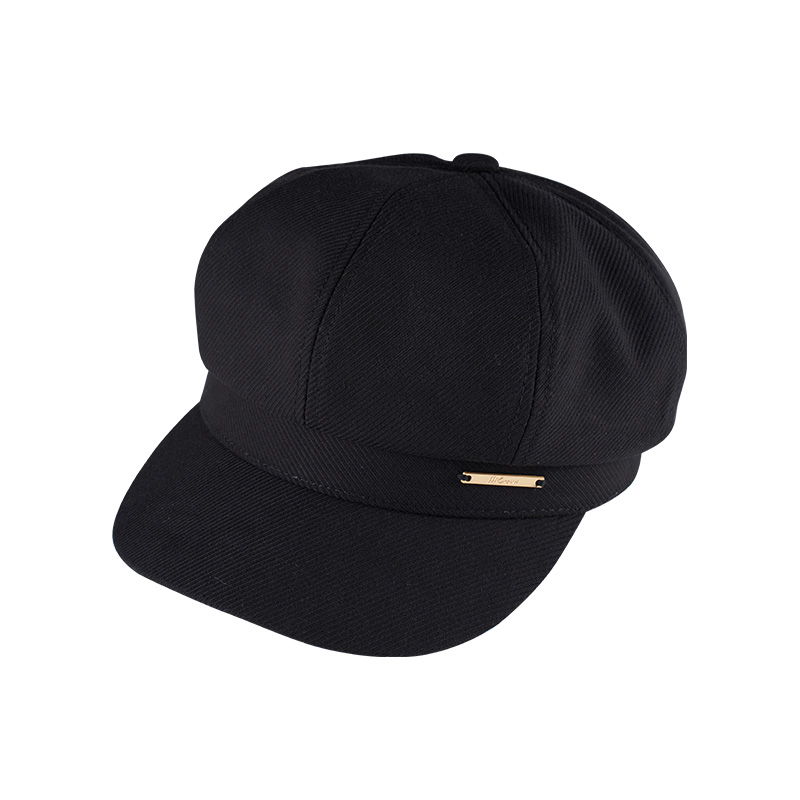
The brim must also be attached in a way that complements the crown's shape. Its material, curvature, and stitching should remain consistent with the approved design. For a Multicolor Tweed Baseball Cap, these finishing details can be just as noticeable as the fabric pattern itself.
Manufacturers should inspect the cap after assembly rather than relying only on checks performed before sewing. Some alignment issues become visible only when the panels are joined and the crown takes its final shape.
For wholesale orders, a reference sample provides a practical standard for production. It allows the manufacturer and buyer to review the color arrangement, panel alignment, crown shape, brim appearance, and stitching before larger quantities are made.
Once the sample is approved, the production team can use it to check subsequent batches. Fabric lots may vary slightly, so comparing materials and finished caps helps identify visible differences before packing.
For Vintage Fitted Baseball Caps, quality inspection should consider the overall appearance as well as construction details. A cap may have secure stitching but still differ from the approved sample in its pattern placement or color balance.
The final stage includes checking loose threads, inspecting seams, shaping the crown, and confirming that the brim retains its intended form. Packing should also prevent unnecessary compression or friction that could affect the cap's appearance during transport.
A clear production standard makes these checks easier to repeat across orders. For manufacturers, the goal is not to make every piece look artificially identical, but to maintain a consistent style while allowing for the natural characteristics of woven tweed.
Producing Vintage Fitted Baseball Caps with multicolor textured fabric therefore requires coordination between material selection, cutting, sewing, and final inspection. Attention to pattern alignment at each stage helps preserve the intended vintage look and reduces avoidable differences between samples and bulk production.
 +86-13606823477
 Hujiaqiao Village, Yuanqiao Town, Huangyan District, Taizhou, Zhejiang, China

 English
 Español