Jul , 2026 , 03
By Shengmeilai
Canvas Baseball Hat production is not only about cutting fabric and stitching panels together. On many factory floors, what gets more attention is whether each batch of caps keeps the same shape after sewing, pressing, and finishing. Even when materials remain unchanged, small shifts in tension, stitching speed, or pressing time can slightly affect the final structure of the hat.
In a canvas baseball hat factory, operators usually notice changes in shape stability before they notice any visible quality issue on the surface.
Shape Differences Often Appear After Pressing
During production, hats may look identical right after sewing.
Panels are aligned.
Brims are attached.
Stitch lines appear consistent.
However, after heat pressing and shaping, small differences may appear.
Some caps hold a sharper crown structure.
Others feel slightly softer at the top.
These variations are often first noticed when stacking finished canvas baseball hat units during inspection.
Fabric Tension Influences Final Structure
Canvas fabric behaves differently depending on how it is handled during cutting and sewing.
If tension is slightly higher during stitching, the crown may become more rigid.
If tension is lower, the shape may feel more relaxed after forming.
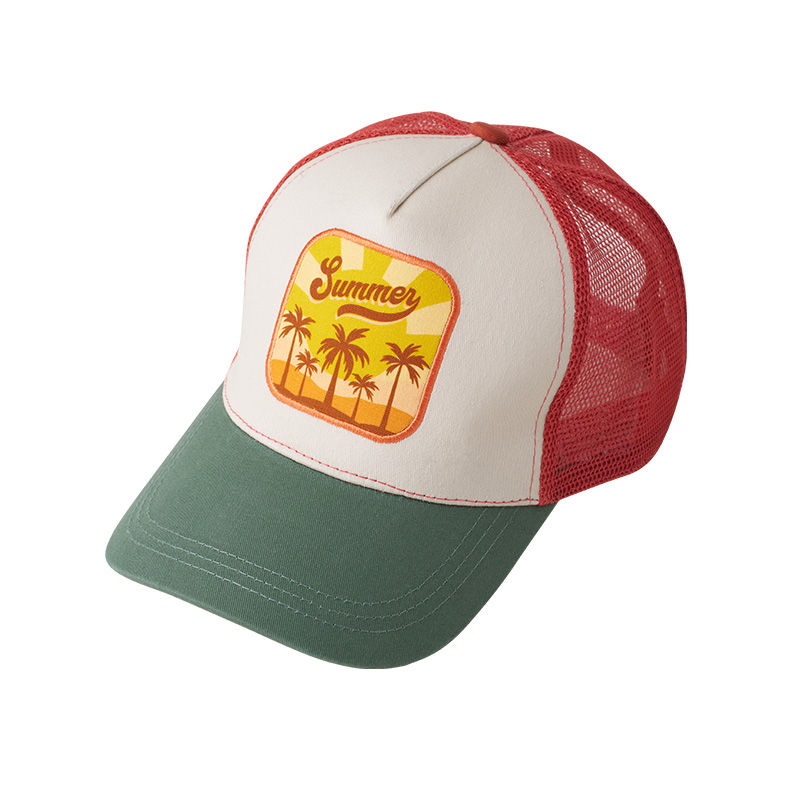
These small differences are not always visible during production, but they become noticeable during batch comparison in a canvas baseball hat factory.
Brim Support Behavior Changes Between Batches
The brim is not only a decorative part.
It is a structural element that determines overall hat balance.
When pressing time varies slightly, brim curvature may respond differently.
Some brims remain firm after cooling.
Others show slight flexibility when handled.
This variation is usually checked during batch sampling of canvas baseball hat production rather than during individual inspection.
Stitch Density Affects Long-Term Shape Retention
Stitching is not only about holding pieces together.
It also controls how fabric behaves under stress.
Higher stitch density often keeps structure tighter after repeated folding.
Lower density may create a softer but less stable shape.
On production lines, technicians often compare stitching samples across different runs of canvas baseball hat to monitor consistency.
Batch Comparison Is A Daily Routine
Factories rarely rely on single-piece inspection.
Instead, they compare multiple hats from different production batches.
Morning output.
Afternoon output.
Next-day repeat samples.
Differences are usually subtle but still important for long-term quality control of canvas baseball hat production.
Small Adjustments Happen During Production
Operators often make small adjustments during runs.
Slight changes in machine speed.
Minor pressure changes during pressing.
Adjustments in stitching feed.
These modifications are not dramatic, but they help maintain consistent shape across batches in a canvas baseball hat factory.
Storage Condition Before Packaging Also Matters
After production, hats are not always packed immediately.
They may stay stacked for a short period.
Pressure from stacking can influence crown shape.
Heat and humidity in storage areas can also affect fabric stiffness.
Because of this, final inspection of canvas baseball hat products often includes a check after short resting periods rather than immediate evaluation.
Consistency Is Measured Across Many Small Factors
No single step determines final shape stability.
It is the combination of fabric handling, stitching, pressing, and storage.
When all steps remain controlled, the final output across batches tends to remain stable.
That is why quality control teams in a canvas baseball hat factory usually monitor the entire process instead of focusing on one isolated stage.
 +86-13606823477
 Hujiaqiao Village, Yuanqiao Town, Huangyan District, Taizhou, Zhejiang, China

 English
 Español