Oct , 2026 , 02
By Shengmeilai
Mesh-backed caps have become a recognizable category within contemporary headwear, but their construction is no longer limited to one standard silhouette. Variations in front-panel structure, mesh coverage, crown shape, and closure design have broadened the range of trucker-style hats used in casual apparel, outdoor clothing, and promotional headwear.
The Breathable Trucker Hat is part of this wider development. Its defining feature is the combination of a structured front and a mesh rear section. As manufacturers adapt the familiar form to different styles, the arrangement of these components has become an important part of product design.
Traditional trucker caps commonly combine a foam-supported front panel with mesh panels at the back. This construction creates a distinct crown profile and separates the front decoration area from the rear ventilation section.
More recent mesh-cap designs vary the proportion and placement of mesh. Some retain the familiar structured front, while others use mesh across a larger part of the crown. These differences affect the cap’s appearance and how closely it resembles a conventional trucker style.
The term Breathable Trucker Hat therefore describes a recognizable construction approach, but not one fixed pattern. The number of panels, front-panel material, and mesh arrangement can vary between designs.
The front section plays a visible role in defining a trucker cap’s silhouette. Foam-backed or otherwise structured panels create a more upright crown, while softer fabric constructions produce a less pronounced profile.
This difference also influences how decoration appears on the cap. A broad front panel provides a relatively uninterrupted area for embroidery, patches, or printed graphics. A softer or lower-profile front creates a different visual effect, even when paired with a similar mesh back.
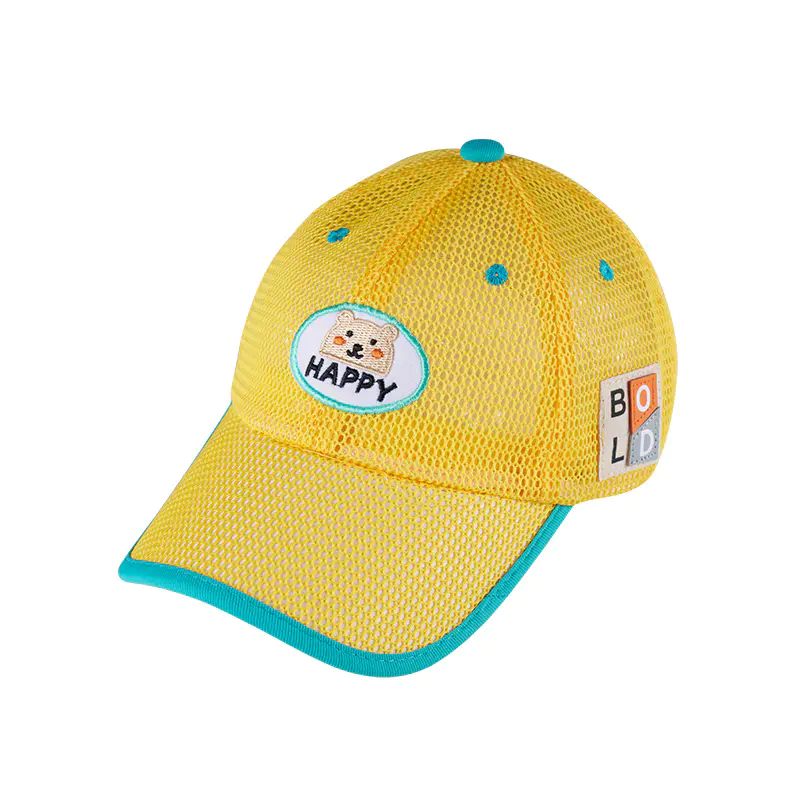
These variations allow trucker-style caps to appear in both casual fashion collections and functional headwear ranges without changing the basic front-and-mesh concept.
Mesh-backed headwear includes several related forms, from classic trucker caps to baseball caps with netting and full-mesh designs. The categories overlap in appearance, but the extent of mesh coverage and the structure of the crown distinguish one style from another.
A Breathable Trucker Hat typically retains a more structured front panel, while some mesh baseball caps use fabric across more of the crown or distribute mesh differently. Full-mesh caps represent another construction variation rather than simply a different name for a trucker cap.
These distinctions are reflected in manufacturers’ product ranges, where mesh hats, trucker caps, and baseball caps with netting may be listed as separate styles.
The adjustable snapback closure is closely associated with the traditional trucker cap. Its visible plastic fastening and adjustable fit contribute to the familiar appearance of the style.
Other adjustable closures can change the rear profile and the way the cap is presented. Buckle straps and hook-and-loop fasteners may appear in related cap designs, although closure choice alone does not determine whether a hat belongs to the trucker category.
For a Breathable Trucker Hat, the closure is one element within a larger construction: crown panels, mesh placement, brim shape, and front structure work together to create the finished form.
The trucker silhouette has moved beyond its association with workwear and promotional headwear. It now appears in casual clothing ranges, branded merchandise, outdoor collections, and seasonal accessories.
This broader use has encouraged variation in color, surface decoration, crown height, and panel arrangement. Some designs preserve the recognizable foam-front and mesh-back appearance, while others adapt selected features for a different visual style.
The continued presence of trucker caps across these categories shows how a familiar construction can support changing design preferences without losing its identity. The Breathable Trucker Hat remains recognizable through its structured front and mesh-backed form, while variations in panel layout and finishing contribute to the wider range of mesh headwear available today.
 +86-13606823477
 Hujiaqiao Village, Yuanqiao Town, Huangyan District, Taizhou, Zhejiang, China

 English
 Español