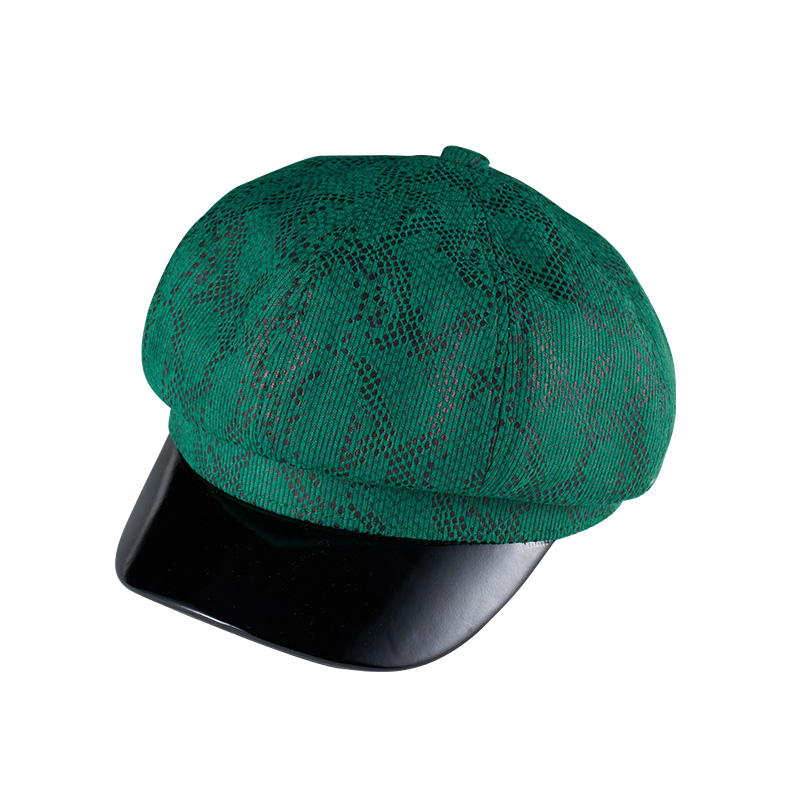
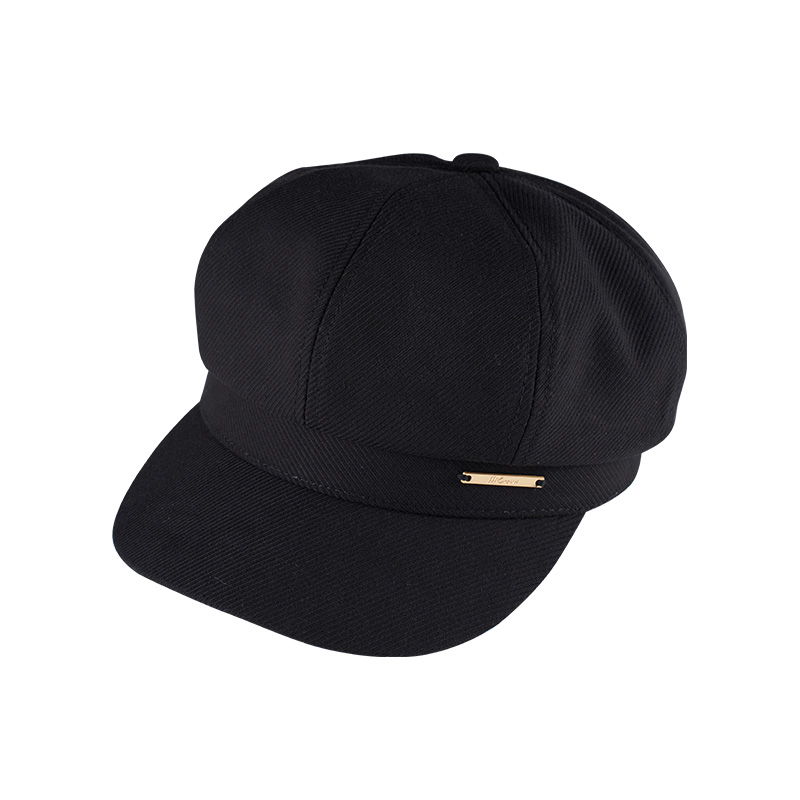
Nov , 2026 , 18
By Shengmeilai
Head circumference turns into panel width long before a Vintage Flat Hat reaches a customer. Size charts for caps run in steps of 2 cm: small covers 54 to 55 cm, medium 56 to 57, large 58 to 59 and extra large 60 to 61. The traditional hat-size numbers describe the same measurement in other units, since the circumference in inches divided by π and rounded to the nearest eighth gives the number, so 22¼ in becomes size 7⅛.
|
Size |
Head circumference (cm) |
Hat size |
|
Small |
54 to 55 |
6¾ to 6⅞ |
|
Medium |
56 to 57 |
7 to 7⅛ |
|
Large |
58 to 59 |
7¼ to 7⅜ |
|
Extra large |
60 to 61 |
7½ to 7⅝ |
Labels differ by market. European charts mark caps by centimetres, US and UK charts use the hat-size numbers, and letters from small to extra large sit on top of both. A Vintage Flat Hat exported to several markets therefore carries the centimetre range, the hat-size number and the letter on one label or sizing sheet, so the same cap reads correctly wherever it is sold.
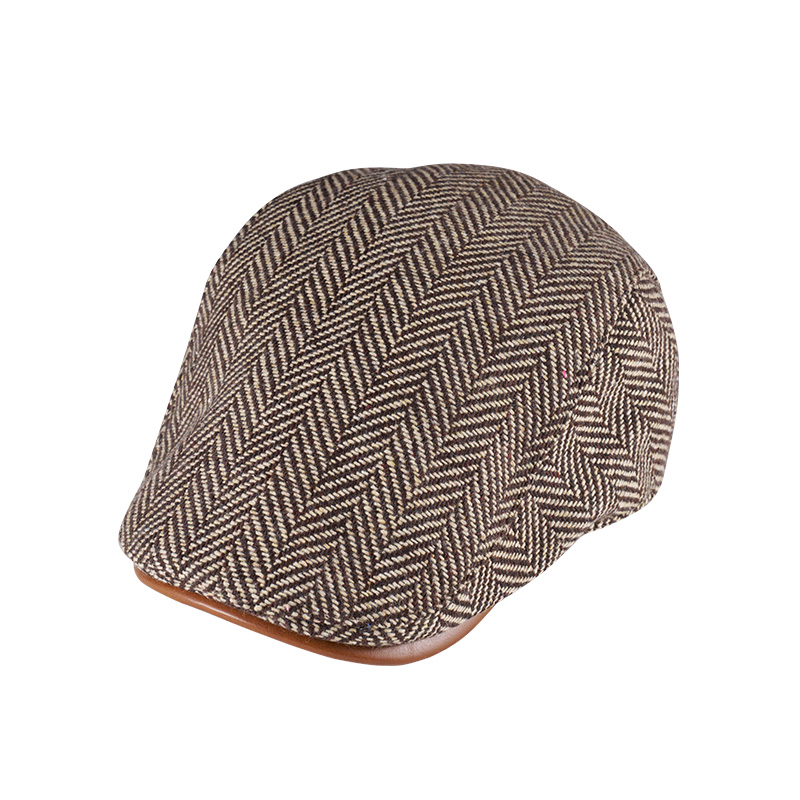
Each size step adds 2 cm to the band, and the crown is cut from several panels that share the increase equally. A six-panel crown grows by 2 ÷ 6, about 3.3 mm per panel, and an eight-panel crown grows by 2.5 mm per panel. Each seam also takes seam allowance on both edges, so the pattern carries finished width plus allowance, and grading changes the finished width only. Pattern makers grade by those fractions, which is why the paper pattern for one size differs from the next by an amount smaller than the width of a pencil line.
Errors add up around the crown. A cutting error of 1 mm on each of six panels totals 6 mm around the band, about three-tenths of a size step, so one size marked on the label can sit visibly close to its neighbour. On a Vintage Flat Hat, which sits close to the head, that gap shows up quickly in fit.
Woven wool and cotton barely stretch, so a Vintage Flat Hat made from them in fixed sizes has to be graded precisely, with the band measured against the chart and not judged by eye. An elastic sweatband or back panel changes the arrangement by letting one cap fit a range. Charts for such caps combine sizes: small/medium covers 54 to 57 cm, and large/extra large covers 58 to 61 cm.
The arithmetic matters for stock. Four sizes become two, so a distributor holding a colour of Vintage Flat Hats carries half as many lines for the same span of heads. The trade-off is that each cap must stretch over a 4 cm span without the band cutting in at the small end or sitting loose at the large end, and the elastic is chosen and tested with that in mind.
Two Vintage Flat Hats with the same band length can feel different on the head because of the lining. A full lining smooths the seams and adds a stabilising layer that can stiffen a soft crown. A half lining keeps the back of a Flat Cap lighter and more breathable, which is a common choice for flat caps and bakerboy styles in warm weather.
The lining and sweatband also sit inside the band and reduce the inner circumference by their thickness. For that reason the size is read off the finished cap, with the lining and band in place, and the figure on the pattern is only a starting value.
A sample is checked by laying a flexible tape along the inside of the band, where the sweatband sits, and comparing the reading with the chart for that size. The check is simple and catches grading errors on a Vintage Flat Hat sample before bulk cutting begins. Taizhou Huangyan Shengmeilai Hat Factory makes flat caps, newsboy caps, baseball caps and bucket hats, and the grading logic is the same across them; only the panel count changes.
Panel count is the number worth confirming in a specification, because it decides how much of each size step lands on each panel and how many seams carry the tolerance. A size label, a chart in centimetres and a finished-band measurement are the entries that make sizing comparable from one Flat Cap order to the next, and a Vintage Flat Hat specification that names them leaves no room for a different reading.
 +86-13606823477
 Hujiaqiao Village, Yuanqiao Town, Huangyan District, Taizhou, Zhejiang, China

 English
 Español