May , 2026 , 15
By Shengmeilai
The mariner's cap has retained a consistent following among nautical enthusiasts, outdoor workers, and fashion-conscious consumers over several decades. Unlike baseball caps with curved brims, the mariner's cap features a flat top, short visor, and a fabric band that sits above the ears. This design originated from practical needs aboard ships, where a low profile prevented the mariner's cap from catching in wind or rigging. Manufacturers continue to produce the mariner's cap in wool, cotton, and synthetic blends for both functional and lifestyle applications. The cap's association with maritime activities explains its sustained appeal beyond active boating circles.
Construction details of a mariner's cap distinguish it from other headwear styles. The crown of a mariner's cap typically consists of multiple fabric panels sewn together to create a rounded shape that conforms to the head. A stiffener inside the front of the mariner's cap maintains the flat, upright appearance that characterizes this style.
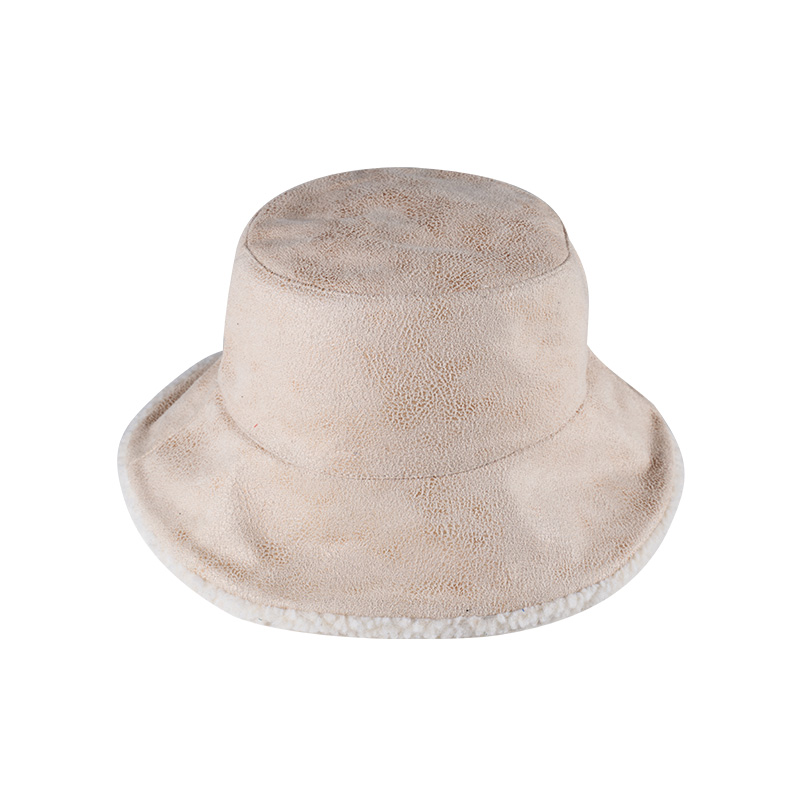
Material choices for a mariner's cap vary according to intended use and climate. Wool mariner's caps provide warmth for cold-weather boating or winter wear in coastal communities. Cotton mariner's cap versions offer breathability for summer days on the water or casual shore outings. Polyester blends in a mariner's cap resist wrinkling and maintain shape after washing, suiting frequent travelers. Some mariner's cap products incorporate water-repellent treatments that shed light rain during outdoor activities. The material selection for a mariner's cap influences both comfort and durability across different environments.
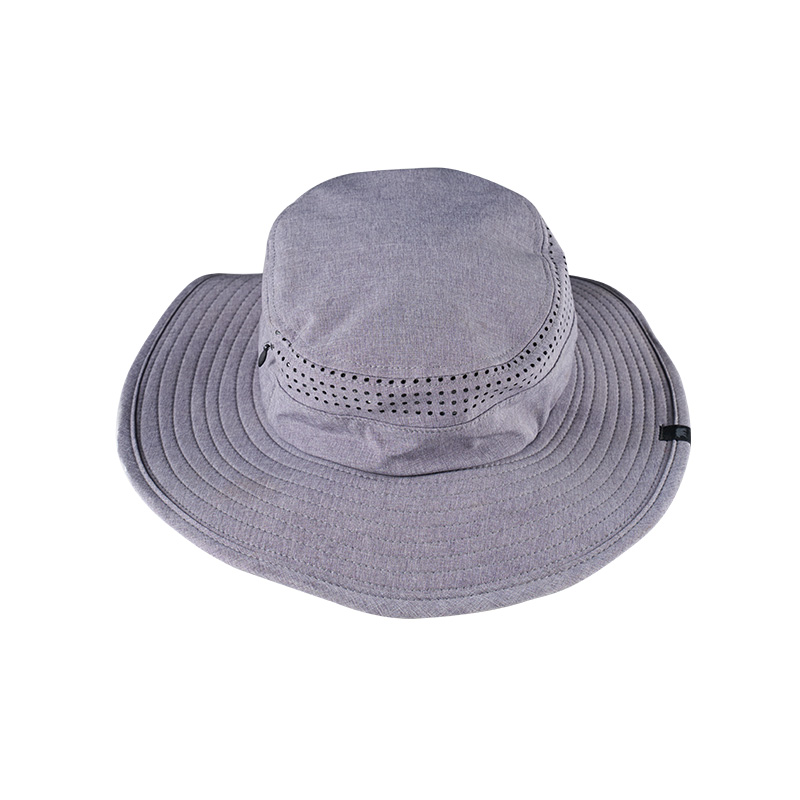
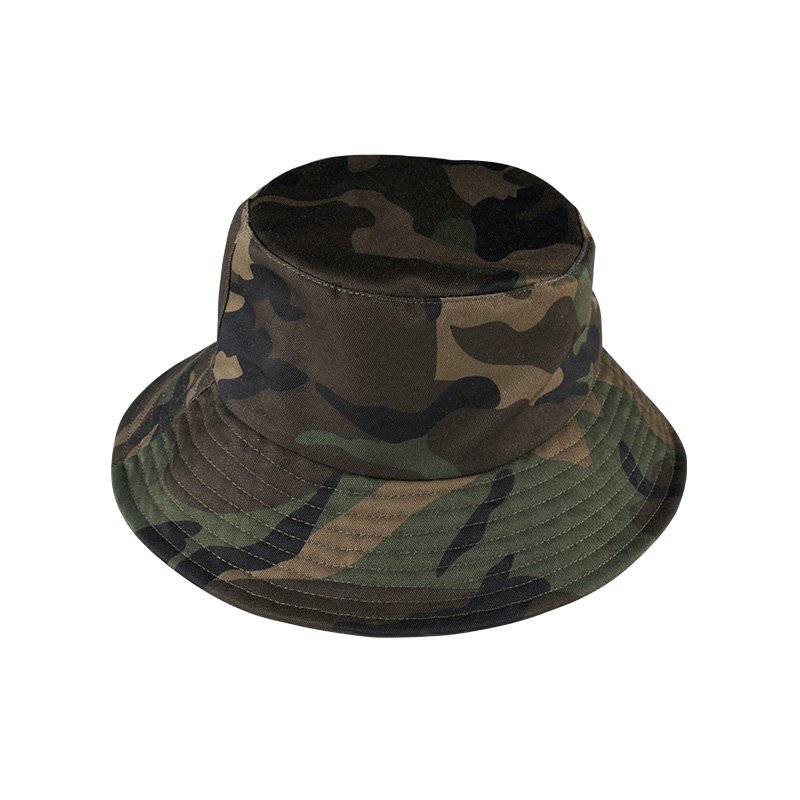
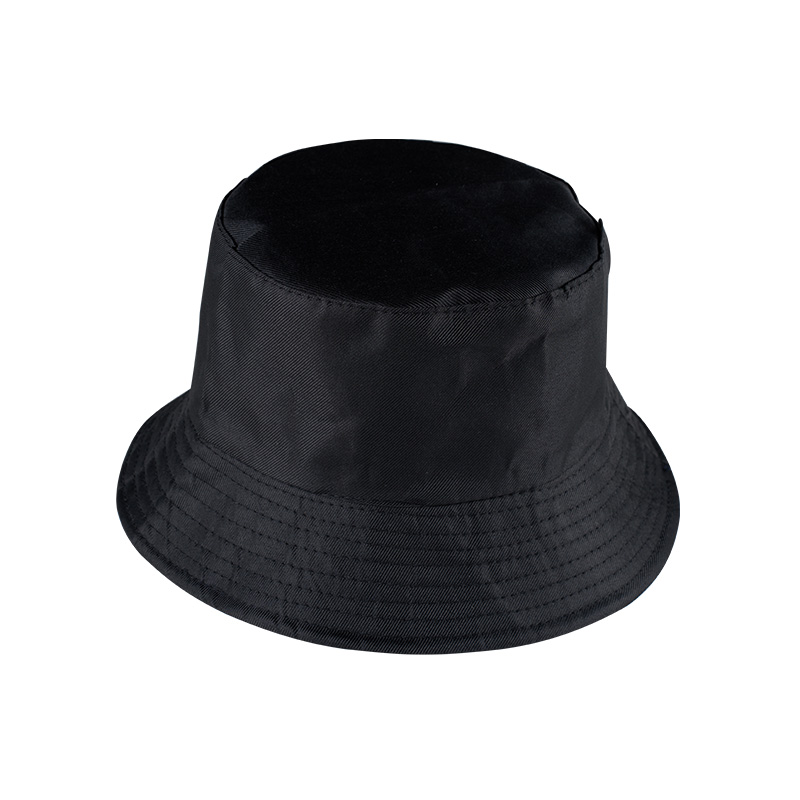
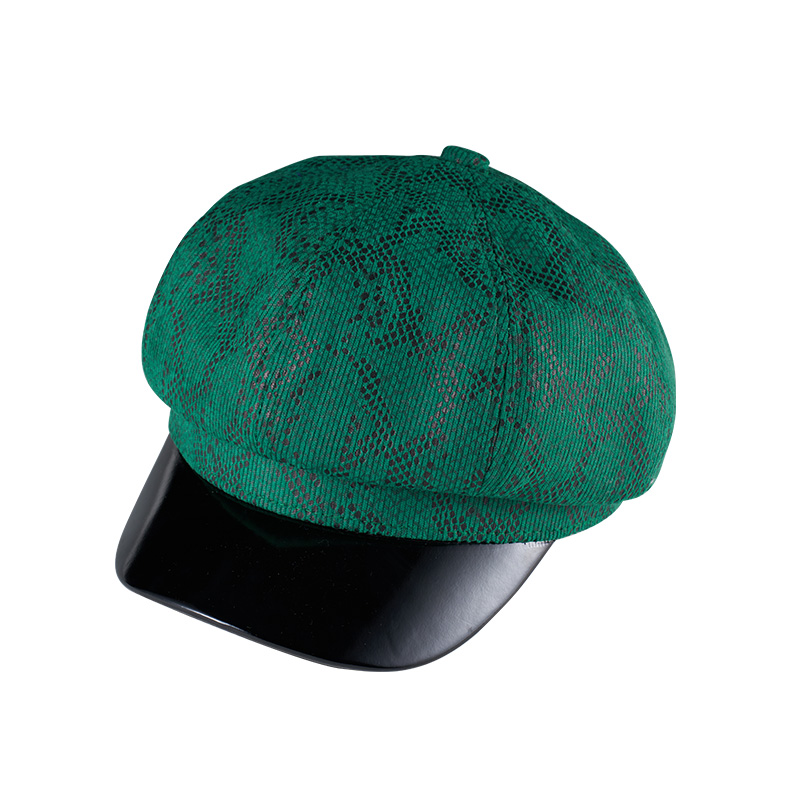
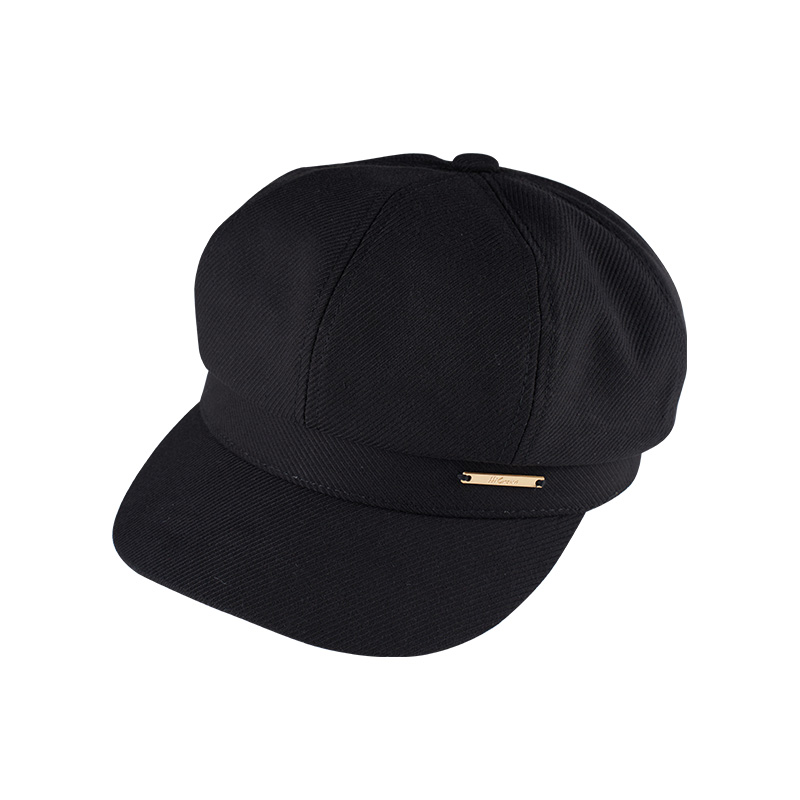
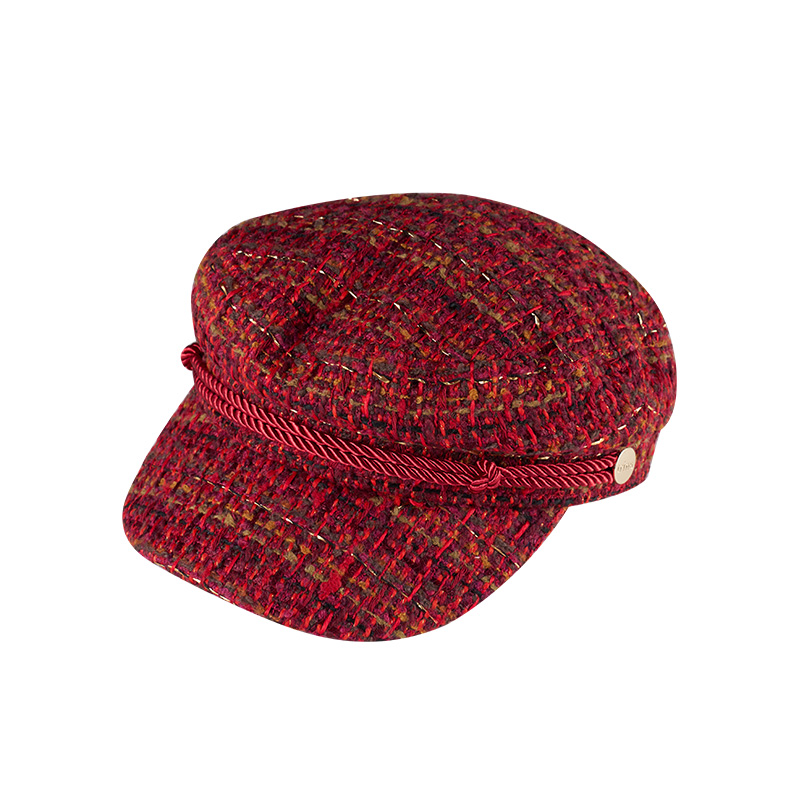
Color options for a mariner's cap traditionally include navy blue, black, and khaki. A navy mariner's cap pairs with uniform-style clothing for yacht club members or boat crews. A khaki mariner's cap suits warmer climates where lighter colors reflect sunlight more effectively. Gray and olive versions of the mariner's cap appeal to consumers seeking a understated accessory for everyday wear. Some manufacturers offer the mariner's cap in brighter shades such as red or yellow for improved visibility on the water.
Decoration methods applied to the mariner's cap include embroidery, patch attachment, and woven labels. A embroidered anchor or boat name on the mariner's cap indicates affiliation with a specific vessel or sailing organization. Metal pins affixed to the front of a mariner's cap display rank, club membership, or achievement awards. Woven labels sewn into the interior band of a mariner's cap provide sizing information and care instructions. Some owners of mariner's caps collect multiple versions with different insignia for various boating activities.
Fit and sizing considerations for a mariner's cap affect purchase decisions for consumers. A properly fitted mariner's cap sits comfortably above the ears without sliding down over the eyes. Adjustable strap designs on some mariner's cap models accommodate a range of head sizes with a single product offering. Fixed-size mariner's cap units require measurement of head circumference before ordering to ensure correct fit. The depth of the mariner's cap crown varies between manufacturers, with deeper versions suiting wearers with more hair volume.
The mariner's cap will likely continue serving both functional and fashion markets. Interest in traditional workwear styles has introduced the mariner's cap to younger consumers without direct boating experience. For wearers seeking a head covering with practical origins and a recognizable silhouette, the mariner's cap offers a distinctive alternative to more common cap styles.
 +86-13606823477
 Hujiaqiao Village, Yuanqiao Town, Huangyan District, Taizhou, Zhejiang, China

 English
 Español