Jan , 2026 , 30
By Shengmeilai
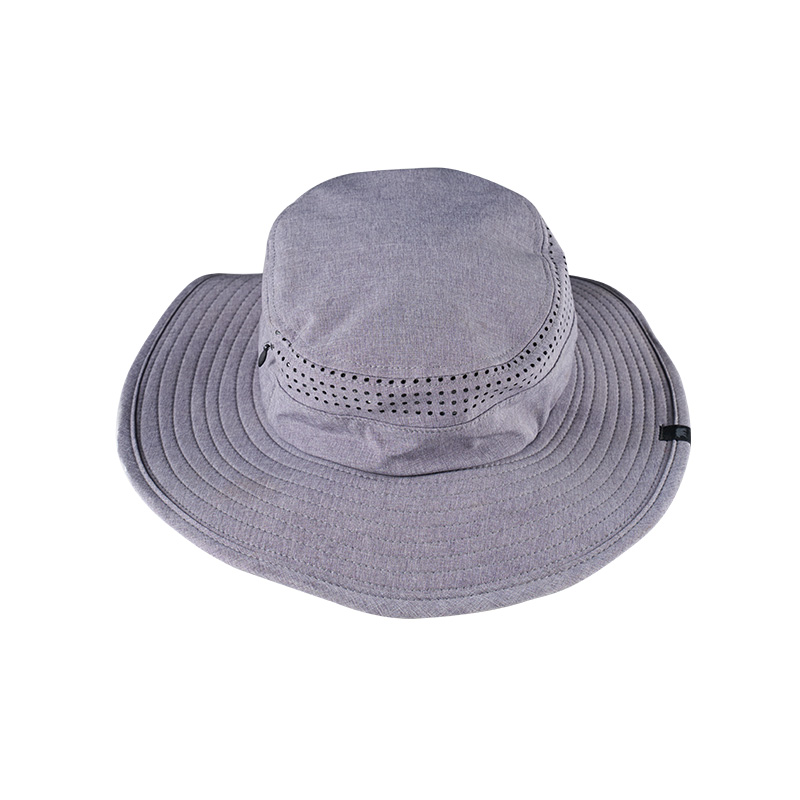
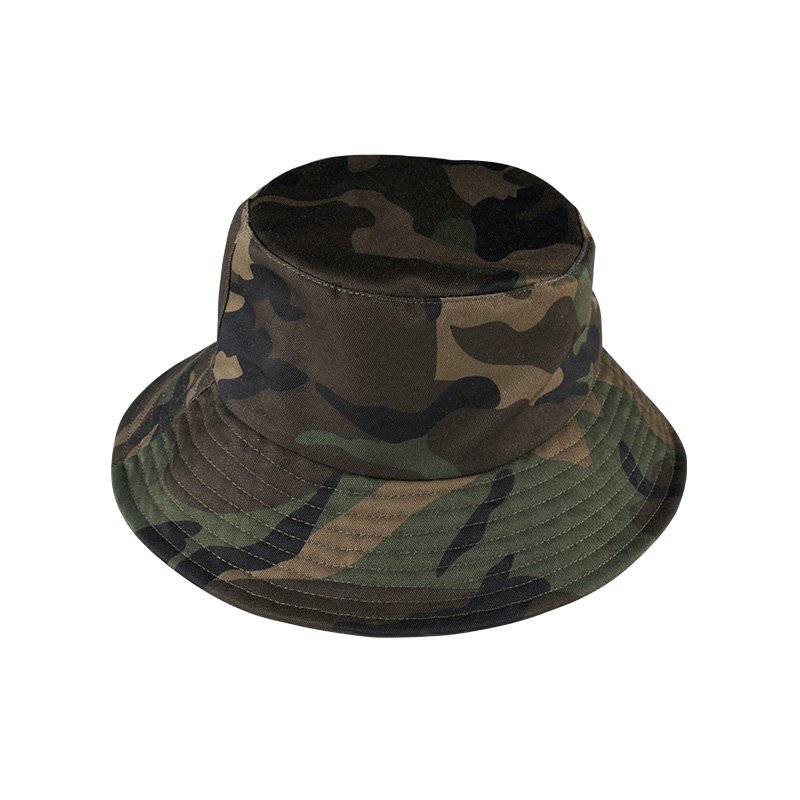
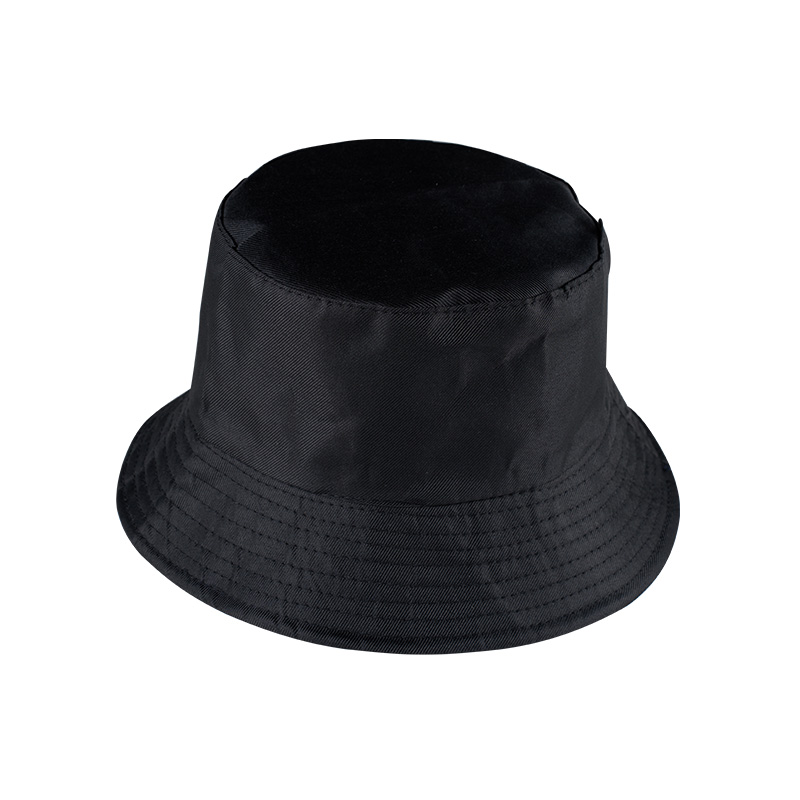
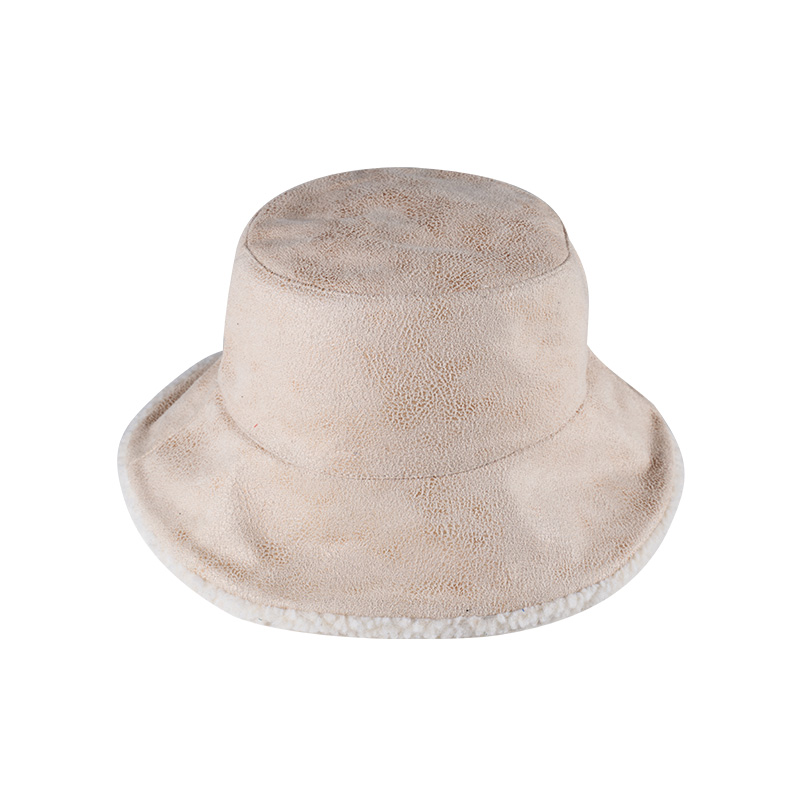
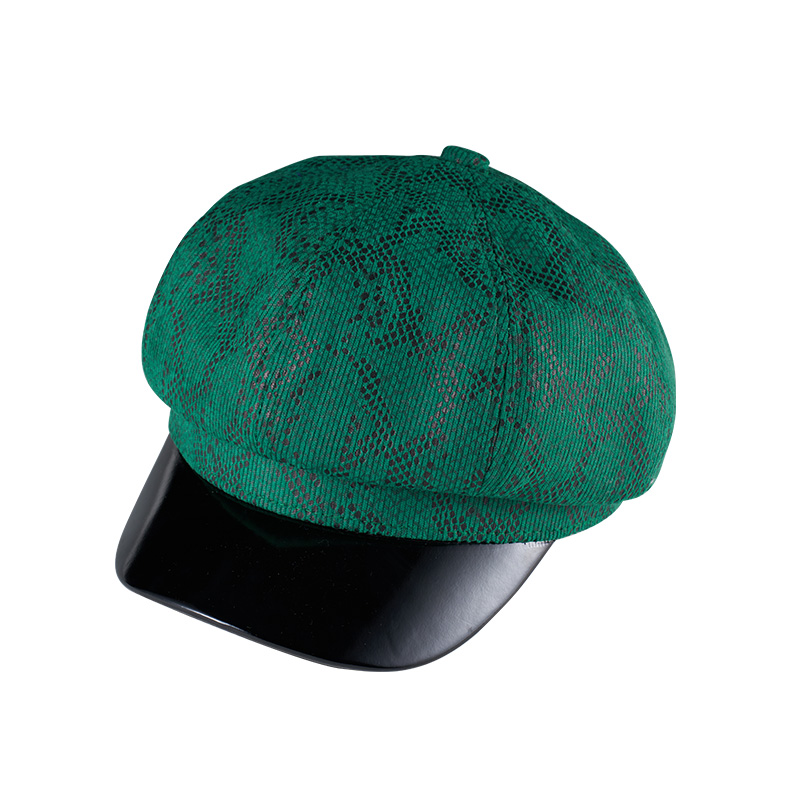
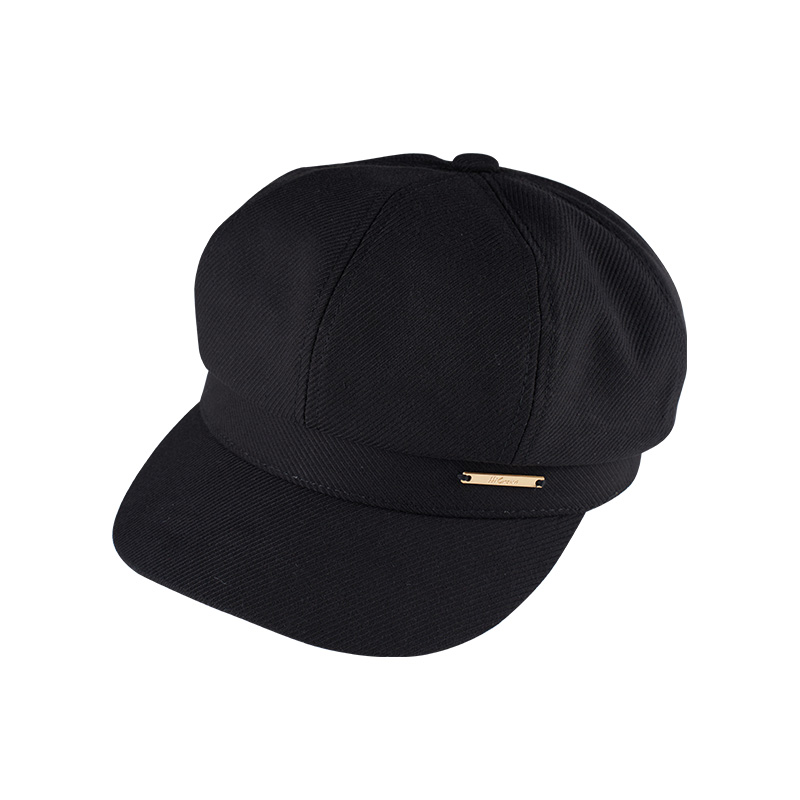
Rooted in a history of practicality and profession, the distinctive silhouette of mariner's caps has successfully navigated from the decks of working vessels into the broader currents of fashion and culture. Characterized by a short, upright brim (or "visor") and a flat, round crown often topped with a button, the classic mariner's cap—also historically known as a sailor's cap—carries with it an immediate association with the sea, naval tradition, and maritime life. Today, mariner's caps are worn not only as part of formal and recreational nautical uniforms but also as a fashion statement that conveys a sense of heritage, adventure, and classic style.
The original design of mariner's caps was driven by functional necessity for those working at sea. The short, stiff brim was designed to shield the eyes from glare reflecting off the water without catching the wind like a wider brim might. The close-fitting, often woolen construction provided warmth in harsh, damp conditions. In many naval forces, specific details of the mariner's cap, such as its ribbon band, insignia, or the presence of a "pom-pom" on certain variants, denoted rank, nationality, or unit affiliation. This deep-seated connection to maritime service and tradition forms the authentic core of the mariner's cap's enduring appeal, lending it an air of authenticity and history that transcends mere trend.
In contemporary fashion, mariner's caps have been adopted for their clean, structured look and strong stylistic character. They offer a more distinctive alternative to common baseball caps or beanies. Fashion iterations of mariner's caps appear in a variety of materials, from traditional navy wool and melton cloth to lighter cotton, corduroy, and technical fabrics for seasonal wear. The style is often embraced within preppy, nautical-themed, and heritage fashion circles, where it complements striped tops, pea coats, and casual trousers. Wearing a mariner's cap in this context is a conscious sartorial nod to maritime-inspired aesthetics and a classic, put-together silhouette.
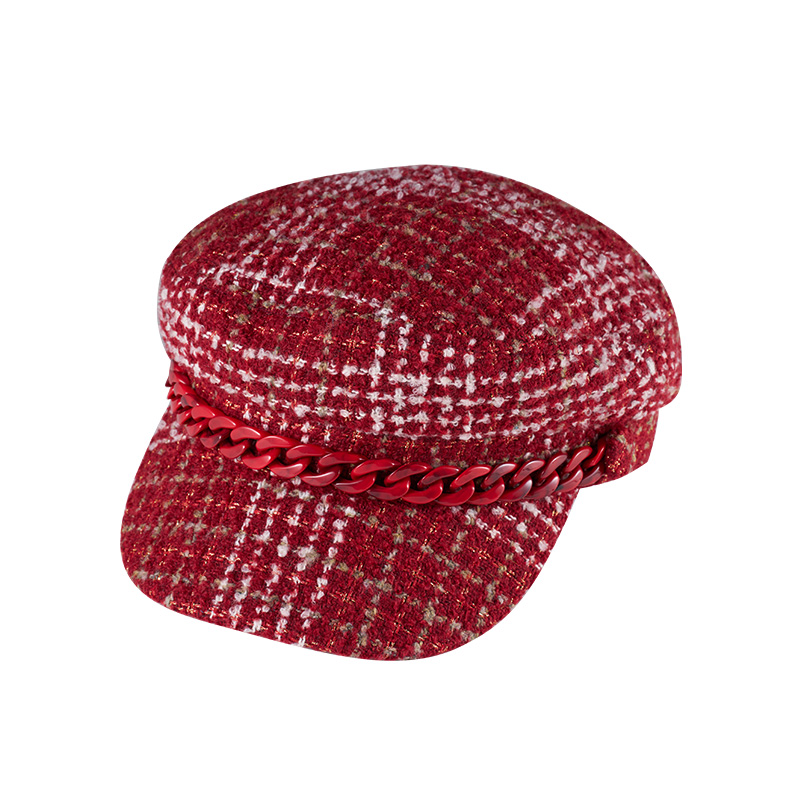
Beyond high fashion, mariner's caps remain a vital part of actual maritime culture. They are a standard component of uniforms for naval personnel, coast guard members, cruise line staff, and merchant mariners. For recreational boaters and sailing enthusiasts, a mariner's cap is both a practical piece of gear and a badge of participation in the sailing community. Yacht clubs often feature mariner's caps as part of their official attire. In these settings, the cap functions as it was originally intended—as functional headwear that also signifies belonging to a specific maritime community or profession.
The trajectory of mariner's caps appears steady, anchored by their timeless design and symbolic resonance. Their evolution in the fashion sphere may involve continued experimentation with materials, colors, and proportions, while their functional versions will persist in maritime professions. As interest in heritage workwear and uniforms with a story continues, the mariner's cap is well-positioned to remain relevant. It successfully bridges the gap between a tool born of necessity and a style icon, allowing wearers to connect with a rich nautical heritage while making a confident, individual style statement on dry land.
 +86-13606823477
 Hujiaqiao Village, Yuanqiao Town, Huangyan District, Taizhou, Zhejiang, China

 English
 Español