Mar , 2026 , 20
By Shengmeilai
The children's apparel market has witnessed a notable shift in recent seasons, with kid's baseball caps establishing themselves as indispensable accessories for young consumers across the globe. These miniature versions of the classic American headwear have evolved far beyond their athletic origins, becoming everyday importants that combine sun protection, style expression, and developmental benefits for children of all ages.
The growing prominence of kid's baseball caps reflects broader trends in children's fashion, where parents increasingly seek accessories that offer both functionality and aesthetic appeal. Unlike adult caps that often serve primarily fashion purposes, kid's baseball caps fulfill multiple practical needs for young wearers. They provide crucial protection from harmful ultraviolet rays during outdoor play, shield sensitive eyes from bright sunlight, and help regulate temperature during physical activities. This practical utility, combined with playful designs, explains their widespread adoption among families worldwide.
Manufacturers have invested considerable resources in developing kid's baseball caps specifically engineered for younger demographics. The proportions differ significantly from adult versions, with shallower crowns and shorter brims that accommodate smaller head sizes while maintaining proper visual proportions. Adjustable closure systems, including snapback straps, hook-and-loop fasteners, and elasticized bands, ensure that kid's baseball caps can grow with children, providing extended usability that appeals to budget-conscious parents.
Safety considerations play an paramount role in the design and production of kid's baseball caps. Materials undergo rigorous testing to ensure they meet or exceed safety standards regarding harmful substances, flammability, and choking hazards. Breathable fabrics prevent overheating during active play, while moisture-wicking properties keep children comfortable even during vigorous outdoor activities. Reflective elements increasingly appear on kid's baseball caps designed for evening use, enhancing visibility and providing parents with additional peace of mind.
The psychological significance of kid's baseball caps extends beyond mere physical protection. Child development specialists note that accessories like caps can play important roles in identity formation and social interaction among young children. Wearing kid's baseball caps featuring favorite colors, characters, or team logos allows children to express preferences and affiliate with groups, supporting healthy social development. The act of choosing and wearing their own caps also fosters independence and decision-making skills.
Seasonal variations influence design trends for kid's baseball caps throughout the year. Summer collections emphasize lightweight materials in bright, cheerful colors that complement warm-weather wardrobes and withstand frequent washing. Winter offerings incorporate warmer fabrics like fleece-lined cotton and wool blends, sometimes featuring ear flaps or convertible designs that adapt to changing temperatures. This seasonal diversity ensures that kid's baseball caps remain relevant across climate zones and weather conditions.
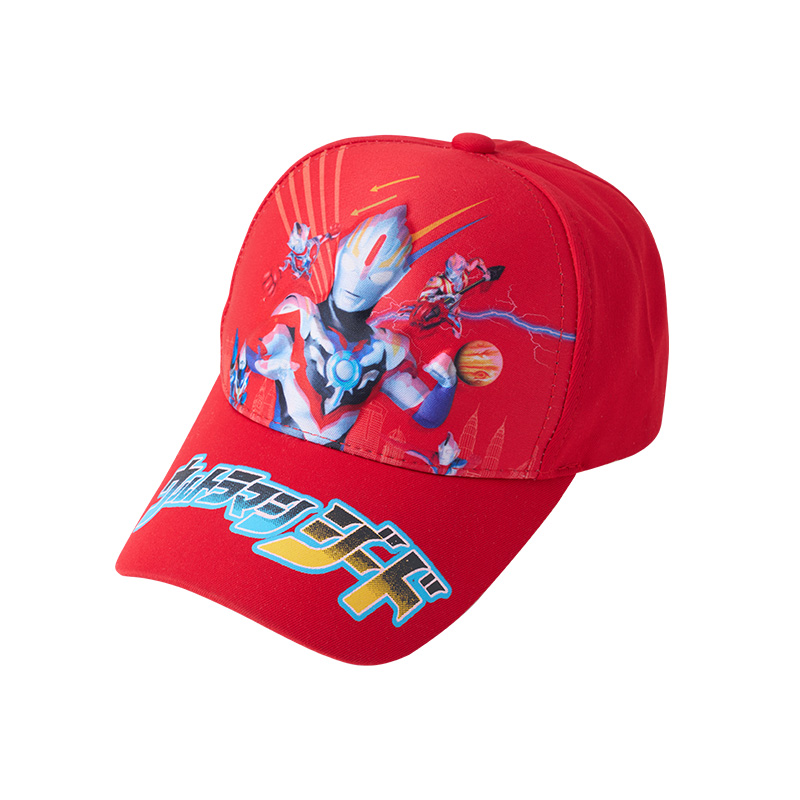
Licensed character merchandise represents a substantial segment of the kid's baseball caps market. Popular franchises from animation, children's literature, and family entertainment regularly appear on caps, transforming ordinary accessories into treasured possessions. The emotional connection children form with beloved characters extends to merchandise featuring their images, making kid's baseball caps powerful tools for encouraging children to wear sun protection willingly rather than reluctantly.
The kid's baseball caps market appears positioned for continued growth as awareness of sun protection importance increases and children's fashion continues gaining attention from retailers and manufacturers. Innovations in sustainable materials, adjustable sizing systems that accommodate growth more effectively, and designs appealing directly to children's preferences will likely shape future developments. What remains constant is the fundamental appeal of a cap that protects, expresses personality, and accompanies children through the adventures of growing up.
 +86-13606823477
 Hujiaqiao Village, Yuanqiao Town, Huangyan District, Taizhou, Zhejiang, China

 English
 Español