Mar , 2026 , 06
By Shengmeilai
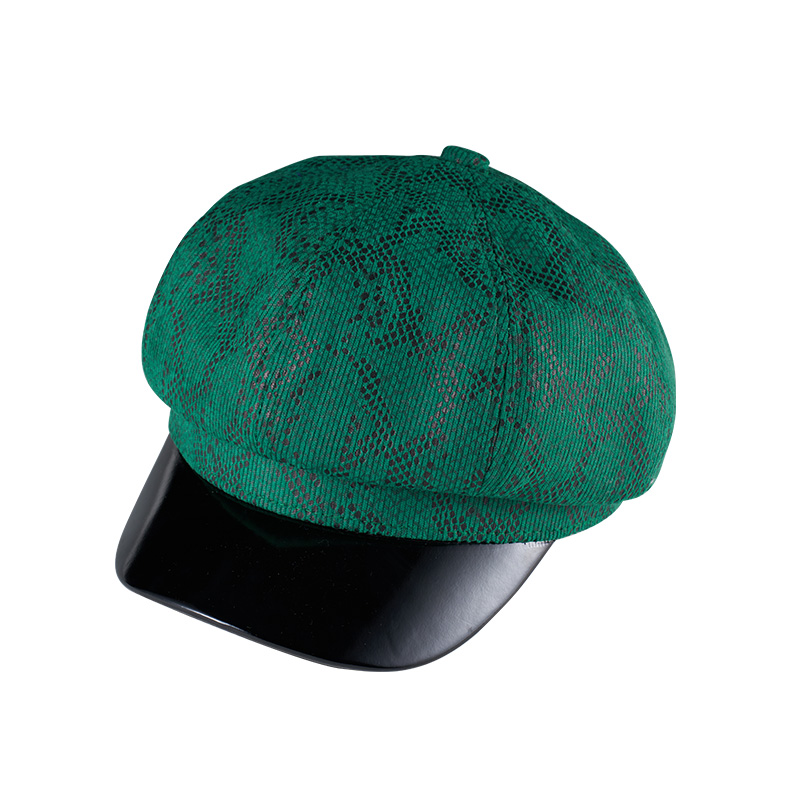
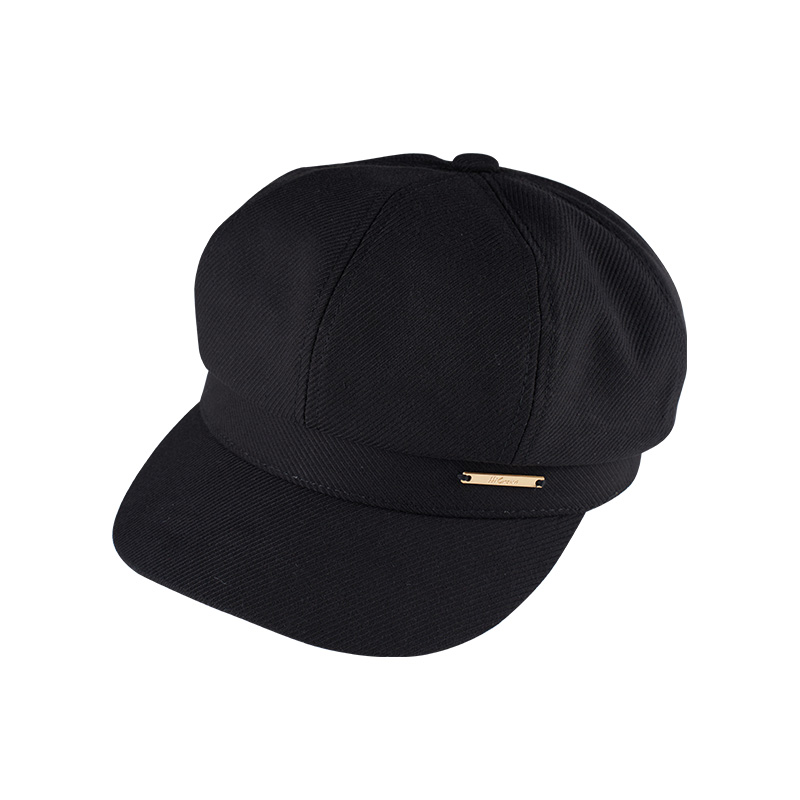
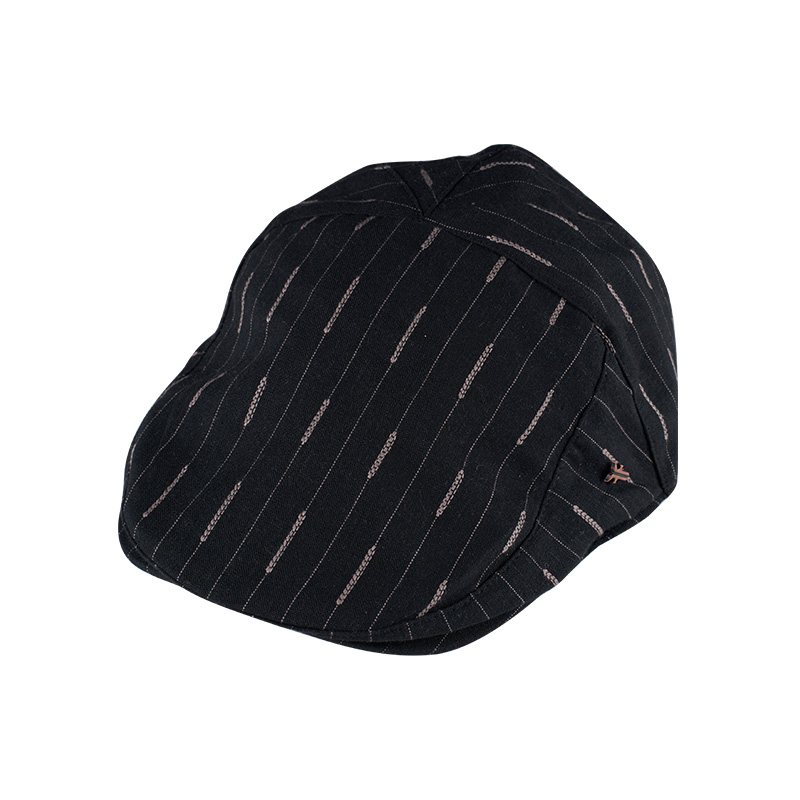
The humble flat caps, once considered practical headwear for working-class communities, have experienced a remarkable renaissance in recent years, establishing themselves as versatile accessories that bridge the gap between casual comfort and sophisticated style. This traditional headgear, characterized by its rounded crown and stiff brim prominently positioned at the front, has transcended its utilitarian origins to become a staple in contemporary wardrobes across demographics and geographical boundaries.
Fashion historians trace the evolution of flat caps to the rural landscapes of medieval Britain, where they served as functional protection against harsh weather conditions for agricultural workers. The design gradually spread to urban centers during the Industrial Revolution, becoming synonymous with factory workers and tradesmen who valued the cap's practicality and durability. Today's flat caps honor this heritage while incorporating modern materials and manufacturing techniques that appeal to style-conscious consumers worldwide.
The current resurgence of flat caps can be attributed to several converging factors within the fashion industry. Designers have rediscovered the timeless appeal of this accessory, presenting flat caps in collections that blend classic silhouettes with contemporary aesthetics. This renewed interest has propelled flat caps onto runways and into street style photography, cementing their status as must-have items for fashion enthusiasts seeking distinctive yet understated accessories.
Material innovation has played a crucial role in expanding the appeal of flat caps. Traditional wool and tweed varieties remain popular, particularly in cooler climates where their insulating properties prove valuable. However, manufacturers now produce flat caps in lighter fabrics such as cotton, linen, and technical blends suitable for warmer seasons and diverse activities. This versatility ensures that flat caps maintain relevance throughout the year and across different lifestyle contexts.
Celebrity endorsement has significantly influenced the popularity of flat caps in recent decades. Prominent figures from film, music, and sports have been photographed wearing flat caps, introducing the accessory to new generations of potential wearers. This visibility has helped dispel outdated perceptions of flat caps as exclusively senior or rural attire, repositioning them as contemporary fashion statements accessible to individuals of all ages.
The craftsmanship associated with quality flat caps continues to attract discerning consumers who appreciate artisanal production methods. Skilled manufacturers employ techniques passed down through generations, including precise cutting, shaping, and stitching that ensure each cap maintains its structure and fit over extended use. This attention to detail resonates with buyers seeking authenticity and longevity in their clothing investments.
Retailers report growing demand for flat caps across both men's and women's collections. While historically associated primarily with masculine fashion, flat caps have found enthusiastic adoption among female consumers who appreciate their ability to add distinctive character to outfits. Unisex styling has become increasingly common, with manufacturers designing flat caps that flatter diverse face shapes and personal styles without rigid gender categorization.
The trajectory for flat caps appears promising as consumers increasingly value accessories that combine heritage with versatility. The enduring appeal of flat caps lies in their ability to serve multiple functions simultaneously—providing practical sun protection, completing an outfit with refined elegance, and connecting wearers to a rich cultural tradition. As fashion continues to cycle through trends while maintaining appreciation for timeless pieces, flat caps seem assured of their place in the global accessory landscape for years to come.
 +86-13606823477
 Hujiaqiao Village, Yuanqiao Town, Huangyan District, Taizhou, Zhejiang, China

 English
 Español